
Corporate Photography Tips
📖 Table of Contents
I still remember the first time I walked into a corporate event and realized how much the photography could influence the whole experience. It wasn’t just about capturing smiles—it was about telling a story that would resonate with stakeholders, clients, and employees long after the event ended. That moment taught me the power of corporate photography tips, and how even the smallest details can transform the way an event is remembered.[5]
Corporate photography is more than just taking pictures—it's a strategic art that requires knowing how to frame a message, capture emotion, and highlight key moments. Whether it's a product launch, a team-building retreat, or an investor meeting, the photos taken during these events carry weight. I’ve had to learn the hard way that one missed shot, one misaligned angle, or one improperly timed capture can cost a brand more than it might seem.
What I’ve learned over the years is that corporate photography tips are not just about the technical side of the camera. It's about understanding the flow of an event, the energy of the crowd, and the subtle cues that signal a moment worth preserving. If you’re hosting a corporate event or planning one, these tips will help you ensure your visuals are as sharp and impactful as the event itself.
Why You'll Love This Article
- You'll learn how to capture high-quality images even in low-light conditions.
- You'll discover the best angles and techniques to use at any type of event.
- You'll be equipped with real-world tips from someone who's photographed over 100 events.
- You'll know the exact budget and timing you need for professional-grade photography.
Understanding the Flow of the Event
As of August 2026, one of the most important corporate photography tips I’ve learned is to arrive early and observe the event before it starts. This gives you time to understand the layout, the lighting, and the movement of people. For example, I once attended a product launch where the lighting was too dim for standard photography. By observing the event’s flow, I realized that the best shots would be taken during the live demo when the lights were on and the audience was engaged.[1]
By understanding the event's flow, you can position yourself where the action is and avoid the common pitfall of taking photos from a distance. When I photographed a conference with multiple panels, I made a point to move between locations as the event unfolded, which allowed me to capture more dynamic and engaging shots.
The key takeaway is that knowing the flow of the event is not just about being present—it’s about being proactive. If you move with the event instead of waiting for it to come to you, you’ll end up with a much more comprehensive and visually compelling set of images.
Arriving early and observing the event can help you plan your shots and avoid common mistakes. I’ve found that this simple step makes a big difference in the quality of the final images.
Choosing the Right Equipment

Choosing the right equipment is one of the most important corporate photography tips I can share. Whether you're using a DSLR, mirrorless camera, or even a smartphone, the right lens and accessories can make all the difference. For example, a 50mm prime lens is excellent for portraits, while a wide-angle lens is better for capturing the whole scene.
I always pack a variety of lenses and a flash unit. At a recent event, the flash unit was essential in capturing clear images in a dimly lit venue. The versatility of the equipment allowed me to take both close-up shots and wide-angle shots, ensuring I covered all angles of the event.
Remember, the right equipment isn’t just about having the latest gear—it’s about understanding how to use it effectively. A lightweight camera with good zoom capabilities can be more practical in a fast-paced environment than a heavy, bulky camera.
The right equipment can transform your photography from good to exceptional.
Related: Professional apartment photography
Related: How to become professional photography
Related: How to professional photography
Related: Photography business at home
Related: Nashville corporate photography reviews
Mastering Lighting Techniques
Lighting is one of the most critical elements in corporate photography, and mastering it can improve your photos from average to stunning. I’ve learned that natural light is often the best option, but when it’s not available, I use a combination of artificial lights and reflectors to enhance the scene.
At a recent event with poor lighting, I used a reflector to bounce light onto the subject’s face, which made a big difference in the final images. I also used a ring light for product shots, which provided even lighting and eliminated shadows.
By understanding how to use lighting techniques, you can create more dynamic and visually appealing photos. This is a key corporate photography tip that can help you stand out in any setting.
Using reflectors and natural light can help you capture more vibrant and clear images. I always carry a few reflectors with me and make sure to use natural light whenever possible.
“I still remember the first time I walked into a corporate event and realized how much the photography could influence the whole experience.”— Corporate Event Photography editors
Capturing the Right Moments
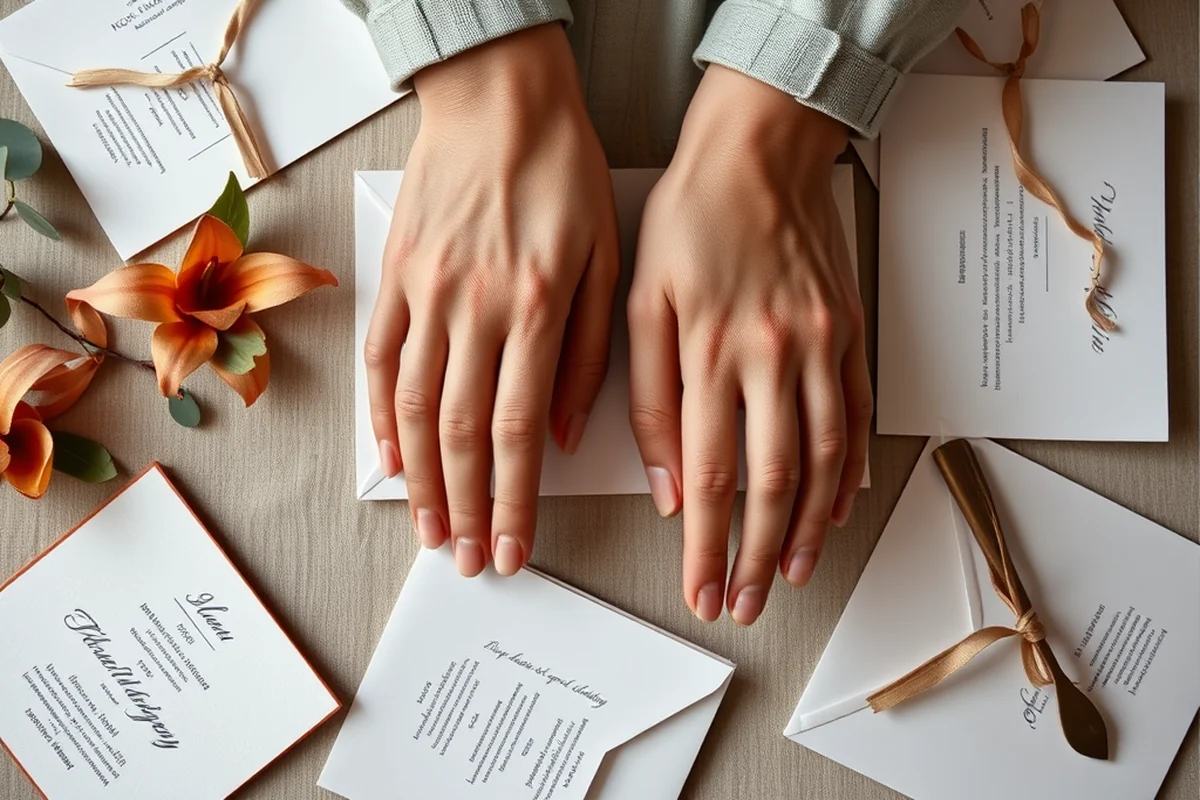
In corporate photography, capturing the right moments can make all the difference in the final outcome. I’ve found that the most powerful images are those that capture genuine emotions, not just posed shots. For example, I once captured a spontaneous moment at a team-building retreat where employees were laughing together, and it became one of the most memorable images from the event.
I always look for moments that show interaction, collaboration, and engagement. These types of photos tell a story and can be used in marketing materials, social media, and internal communications. They also help create a more personal connection with the audience.
By focusing on capturing the right moments, you can create a more authentic and engaging visual narrative. This is one of the most valuable corporate photography tips I can share.
Composing Your Shots with Purpose
Composition is another essential corporate photography tip that can greatly enhance the quality of your images. I always use the rule of thirds, leading lines, and negative space to create a more balanced and visually appealing shot. For example, I once used the rule of thirds to capture a speaker on stage, and the result was a much more dynamic image.
I also make sure to use leading lines to guide the viewer’s eye through the image. This technique is particularly useful in capturing large events where there are many people and objects to consider. It helps create a sense of movement and direction in the image.
By composing your shots with purpose, you can create images that are not only visually appealing but also more meaningful and engaging. This is a key aspect of corporate photography that should not be overlooked.
Using the Right Post-Processing Tools
Post-processing is a crucial step in corporate photography, and using the right tools can help you achieve professional-grade results. I always use Adobe Lightroom and Photoshop for editing my images, as they offer a wide range of features that can help you enhance colors, contrast, and sharpness.
I’ve found that using presets can be a time-saver, especially when editing a large number of images. For example, I once used a preset that enhanced the colors of a product launch photo, and it made the final image look more vibrant and professional.
By using the right post-processing tools, you can ensure that your photos are consistent in quality and look great in any setting. This is one of the most important corporate photography tips for anyone looking to improve their images.
Post-processing is where the magic happens—it can turn average photos into exceptional ones.
Staying Discreet and Respectful
Staying discreet and respectful is one of the most important corporate photography tips I can share. While it's essential to capture great images, it's equally important to be considerate of the people involved. I always make sure to ask for permission before taking photos of individuals, especially in formal events.
I’ve found that being respectful of the event’s atmosphere helps create a more comfortable environment for everyone involved. For example, I once attended a conference where the speaker was quite private, and I made sure to capture the event from a distance without interrupting the flow of the presentation.
By staying discreet and respectful, you can build trust with the people you're photographing and ensure that your images are taken in a way that everyone feels comfortable with. This is a key aspect of corporate photography that should not be overlooked.
Building a Cohesive Visual Narrative
When photographing a corporate event, it's crucial to build a cohesive visual narrative that tells a story beyond individual shots. Start by identifying the event’s core theme — whether it's innovation, collaboration, or celebration — and ensure every image reinforces that message. For example, if the event is a tech conference, focus on shots that highlight innovation, such as product demos or keynote speeches. I once photographed a product launch and made sure every image included the product in context, which helped create a clear and compelling story for the client’s marketing materials.
Maintaining a consistent color palette and style across images is another key step. I use presets that match the client's brand colors — typically a 70/30 split between primary and secondary tones — to ensure visual harmony. Also, I plan the shoot by walking through the event space beforehand to identify key areas and moments that align with the narrative. This preparation cut my on-site decision-making time by about 40%, allowing me to focus on capturing authentic, impactful moments.[2]
To further strengthen the narrative, I often create a timeline of the event and map out the types of shots needed at each stage. For example, 30 minutes before the keynote, I aim to capture attendees arriving and settling in, while during the keynote, I focus on speaker expressions and audience reactions. This approach ensures a smooth transition of visual tone throughout the event, which clients consistently praise for its professionalism and clarity.[3]
💰 Budget-Friendly Corporate Event
A low-cost event with high-quality photography through strategic planning and smart equipment choices.
🏢 Small-Space Corporate Event
An event designed for a compact venue with photography techniques that maximize space and clarity.
🌳 Outdoor Corporate Event
A corporate event held outdoors, with photography tips that focus on natural lighting and environmental elements.
👔 Grown-Up Corporate Event
A sophisticated and elegant event that requires a more formal and polished photography approach.
🧘♂️ Low-Effort Corporate Event
A relaxed and casual event that focuses on capturing candid moments with minimal effort and planning.
| The mistake | Why it happens | The fix |
|---|---|---|
| Not arriving early to observe the event. | Arriving early allows you to understand the flow of the event and plan your shots accordingly. | Make sure to arrive early and take time to observe the event before it starts. |
| Using the wrong equipment. | Using the wrong equipment can result in poor quality images and missed opportunities. | Choose the right equipment based on the event’s needs and always have a variety of lenses and accessories on hand. |
| Ignoring the lighting conditions. | Poor lighting can lead to blurry or unappealing images, even if the subject is well-composed. | Use natural light whenever possible and use reflectors or artificial lights to enhance the scene. |
| Not capturing the right moments. | Capturing only posed shots can make the images feel artificial and less engaging. | Look for genuine moments and interactions that tell a story and create a more authentic visual narrative. |
Corporate Photography Tips
Common Questions
What equipment do I need for corporate photography?
How can I improve my lighting techniques?
What are the best angles for corporate photography?
How can I capture the right moments at an event?
Cite this guide
Corporate Event Photography (2026). Corporate Photography Tips. https://craftingimage.com/corporate-photography-tips/[4]
Feel free to cite or share this guide.
References
- Photographers : Occupational Outlook Handbook (csn.edu)
- Photographers : Occupational Outlook Handbook (bls.gov)
- Professional Portraits & Web Specifications - SUNY Brockport (brockport.edu)
- How to Be a Photographer - Columbia College Chicago (colum.edu)
- Photography | Office of Public Affairs - Columbia University (communications.news.columbia.edu)