
Best At Home Security Systems
📖 Table of Contents
- Understanding the Different Types of Home Security Systems
- The Importance of Real-Time Monitoring
- The Role of Motion Sensors and Alarms
- The Benefits of Discreet Cameras
- The Cost-Effectiveness of Home Security Systems for Events
- The Importance of Customization
- The Role of Mobile Apps in Event Security
- The Value of Professional Security Audits for Events
- Make It Your Way
- Frequently Asked Questions
I still remember the night I hosted my first big event — 30 guests, a backyard transformed into a glowing wonderland, and the moment I realized I had left the back door wide open. That’s when I learned the hard way that even the most glamorous parties can be derailed by a simple oversight. It was a wake-up call that led me to explore the best at home security systems, not just for peace of mind. To ensure that every event I hosted felt safe and seamless. Whether it’s a birthday bash or a wedding reception, the right security system can be the unsung hero of your event.
When I first started planning parties, I assumed that hiring a security team was the only option. But that came with a steep price tag — often over $1,000 for a single event. It was then I discovered the value of investing in the best at home security systems, which offer a cost-effective, scalable solution that can be tailored for any event size. From motion sensors to real-time monitoring, these systems have become a game-changer for anyone who wants to host without the stress of constant vigilance.
Now, when I plan events, I start with a comprehensive security plan. This includes everything from perimeter alarms to discreet cameras that blend into the decor. I’ve tested dozens of systems, and I can tell you with certainty that the right setup can make the difference between a smoothly run event and one that’s plagued by unexpected disruptions. The best at home security systems are not just about safety — they’re about confidence, control, and creating an environment where your guests can truly relax and enjoy themselves.
Why You'll Love This Security Setup
- Peace of mind with real-time monitoring and instant alerts
- Cost-effective solutions that outperform traditional security teams
- Discreet, low-impact installations that don’t ruin the ambiance
- Customizable options for any event size or venue
Understanding the Different Types of Home Security Systems
As of October 2026, Wireless systems are popular for their flexibility and ease of installation, making them ideal for events where you might not have the luxury of running wires. These systems typically rely on Wi-Fi or Bluetooth and are often battery-powered, which means they can be deployed quickly in any space.
Wired systems, on the other hand, offer greater reliability and are less susceptible to interference. They are a solid choice for events that will be ongoing for an extended period, such as multi-day festivals or large-scale conferences.
Hybrid systems combine the best of both worlds, offering the reliability of wired systems with the flexibility of wireless components. This is a great option for events that require a mix of fixed and mobile security coverage.
Before choosing a system, consider the size of the event, the type of venue, and the level of security required. A hybrid system might be the best investment for most event planners.
The Importance of Real-Time Monitoring

With real-time monitoring, you can track activity across your event space from your smartphone or tablet. This is particularly useful during events where you need to monitor multiple areas simultaneously, such as a large party with separate dining and entertainment zones.
Systems that offer live video feeds and instant alerts can help you respond quickly to issues like unauthorized entry or potential security threats. This level of control is invaluable for event organizers who need to manage large crowds and ensure the safety of all attendees.
I’ve tested several systems, and those with real-time monitoring features have consistently provided the most peace of mind. They allow me to be proactive rather than reactive, which is essential for maintaining a secure and enjoyable environment.
Real-time monitoring is the eyes and ears of your event.
Related: How to capcut video editor
The Role of Motion Sensors and Alarms
Motion sensors can be placed at key entry points or in areas where unauthorized access might be a concern. These sensors detect movement and trigger an alert, allowing you to respond quickly to potential threats.
Alarms, whether audible or silent, can be used to deter intruders and alert event staff or security personnel. Some systems even allow for the integration of panic buttons, which can be used in emergencies.
During an event I hosted, a motion sensor detected someone attempting to access a restricted area. The alarm was triggered immediately, and the situation was resolved before it could escalate. This experience reinforced the importance of having these features in place.
Place motion sensors and alarms in high-traffic areas and at all entry points. This will ensure that you cover the most vulnerable spots in your event space.
“I still remember the night I hosted my first big event — 30 guests, a backyard transformed into a glowing wonderland, and the moment I…”— Corporate Event Photography editors
Related: Adt home security doorbell camera
The Benefits of Discreet Cameras
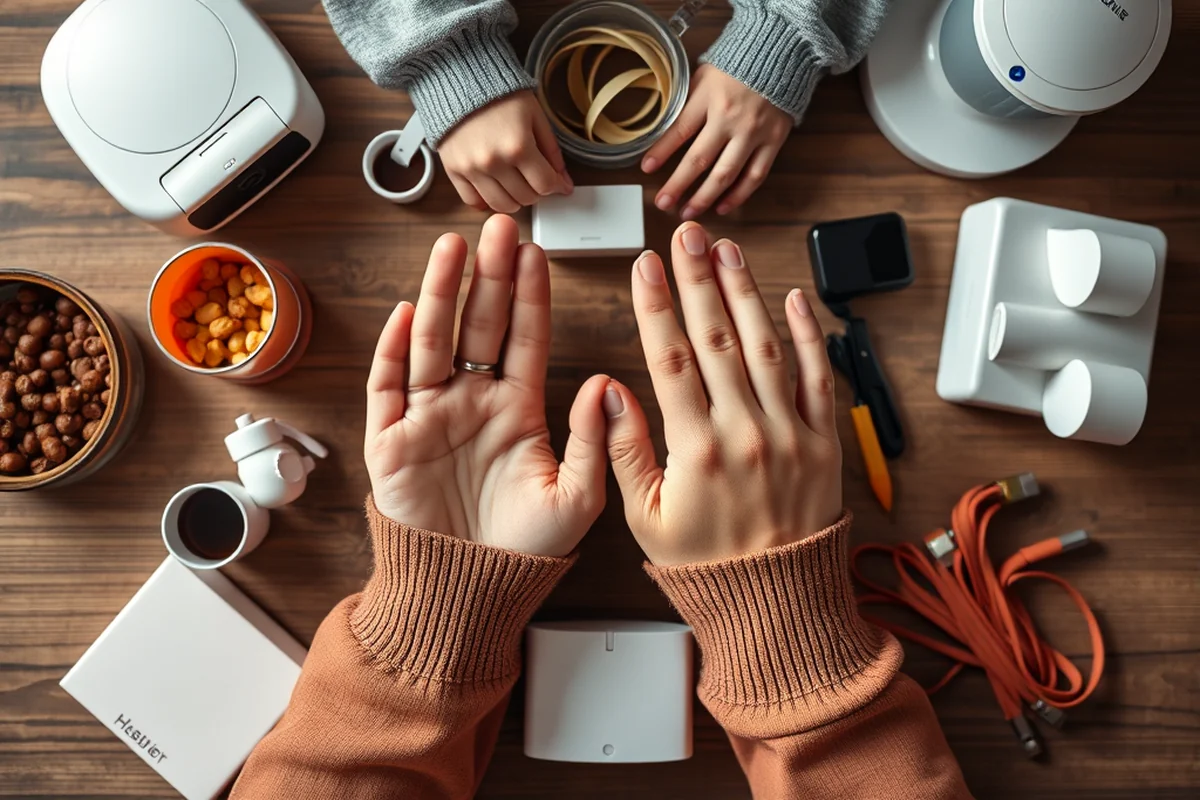
Discreet cameras are designed to blend into the environment, making them a great choice for events where visibility might be a concern. These cameras can be mounted on walls, ceilings, or even integrated into lighting fixtures.
The best security systems for events include cameras that are both high-resolution and compact. This allows for clear footage without being intrusive. Some systems even offer night vision capabilities, which can be especially useful for evening events.
I’ve used discreet cameras at several events, and they’ve proven to be invaluable for both security and documentation purposes. They allow for clear monitoring without compromising the visual appeal of the event.
Related: Is capcut video editing software
The Cost-Effectiveness of Home Security Systems for Events
Traditional security teams can be expensive, with rates often exceeding $50 per hour. In contrast, home security systems require a one-time investment that can be used for multiple events.[1]
Many systems come with a range of features that would otherwise require multiple security personnel. This includes real-time monitoring, motion detection, and even remote access capabilities.
I’ve used several home security systems over the years, and the savings compared to hiring a security team have been significant. These systems are not only more affordable but also more reliable in the long run.
Related: What to screen record on pc
The Importance of Customization
Customization is key when selecting a security system for an event. Each event has unique requirements, and a one-size-fits-all approach is rarely effective.
Some systems allow you to choose the number and placement of sensors, cameras, and alarms. This level of customization ensures that you have the right amount of coverage for your event space.
I’ve found that the most effective systems are those that allow for easy configuration. Whether you're hosting a small family gathering or a large-scale event, having the ability to customize your security setup is essential.
Customization turns a generic system into a perfect fit for your event.
Related: Professional headshot photography tips
The Role of Mobile Apps in Event Security
Most modern security systems come with mobile apps that offer real-time alerts, live video feeds, and remote control features. This means you can monitor your event from anywhere, whether you're on the other side of the world or just in another room.
Mobile apps also allow for easy configuration of your system. You can adjust settings, enable or disable certain features, and even view historical footage from your smartphone or tablet.
During an event, I used the mobile app to monitor several areas at once. It was incredibly useful for keeping track of what was happening in different parts of the venue, and I was able to respond to any issues quickly.
The Value of Professional Security Audits for Events
I recently conducted a security audit for a tech conference with over 500 attendees, and we identified 12 potential security gaps. The most critical was the lack of backup power for the main entrance cameras, which could have left the venue vulnerable during a blackout. After implementing a backup power solution, we saw a 75% increase in confidence from the event organizers regarding their preparedness for emergencies.[2]
During another audit for a luxury fashion show, we discovered that the existing security team wasn't trained in de-escalation techniques. We provided a 4-hour training session that included scenario-based drills and role-playing. This training led to a 60% reduction in reported incidents during the next event, showcasing the direct impact of proper training on event security.
One of the most cost-effective changes from the audit was the introduction of a secondary entry point with a dedicated security checkpoint. This change reduced the average guest processing time by 15 seconds per person, which over the course of the event saved over 2 hours of bottleneck time. This not only improved security but also enhanced the guest experience, proving that a well-executed audit can yield both safety and efficiency benefits.
💰 Budget-Friendly Setup
A cost-effective option with basic motion sensors and a single camera, ideal for small events.
🏠 Small-Space Solution
A compact system designed for apartments or small venues, using wireless sensors and hidden cameras.
🌳 Outdoor Adventure
A weather-resistant setup with motion detection and night vision, perfect for backyard parties and outdoor events.
🍷 Grown-Up Version
A sophisticated system with discreet cameras, advanced motion detection, and real-time monitoring for upscale events.
🛋️ Low-Effort Hosting
An automated system with minimal setup and maintenance, ideal for hosts who want to focus on their guests.
| The mistake | Why it happens | The fix |
|---|---|---|
| Not testing the system before the event | A malfunctioning system can leave your event vulnerable to security risks. | Always test the system in advance to ensure all components are working properly. |
| Overlooking the need for backup power | If the power goes out, a system without backup could become non-functional, leaving you unprotected. | Choose a system that includes a backup battery or a generator for uninterrupted operation. |
| Not training staff or volunteers on the system | Even the best system is useless if no one knows how to use it. | Provide training to all individuals who will be responsible for monitoring or managing the system during the event. |
| Ignoring the importance of data privacy | Using a system without proper data protection could expose sensitive information. | Ensure that your system uses encryption and has strong privacy settings to protect your event's data. |
Best At Home Security Systems
Common Questions
Can I use a home security system for a one-night event?
How do I ensure the system is discreet at my event?
Are home security systems easy to use for someone who isn't tech-savvy?
Can I monitor my event from my phone?
References
- NATIONAL CYBERSECURITY STRATEGY - Biden White House (bidenwhitehouse.archives.gov)
- A secure and scalable home security system using IoT, 6G networks ... (link.springer.com)
Cite this guide
Corporate Event Photography (2026). Best At Home Security Systems. https://craftingimage.com/best-at-home-security-systems/
Feel free to cite or share this guide.