
Photography Business At Home
📖 Table of Contents
- Setting Up Your Home Studio
- Hosting a Portfolio Review
- Organizing a Networking Event
- Creating a Client Consultation Space
- Hosting a Photo Workshop
- Managing a Home-Based Photography Event
- Creating a Professional Atmosphere at Home
- Leveraging Home-Based Photography for Virtual Event Promotions
- Building a Home-Based Photography Business Through Community Collaboration
- Make It Your Way
- Frequently Asked Questions
I remember the first time I hosted a photography-related event at home — it was a small, intimate gathering for fellow photographers, and I was both nervous and excited. I had envisioned the space as a creative hub, but the reality of managing lighting, setup, and flow was far more complex. I had to juggle multiple roles: host, organizer, and photographer. It was a learning curve, but one that taught me the value of preparation and adaptability when running a photography business from home.
Running a photography business from home isn't just about taking great pictures. It's about creating a space that functions as both a professional studio and a welcoming environment for clients, colleagues, and collaborators. I've spent years refining my setup, and I've learned that the right tools, layout, and mindset can transform a regular living room into a functional, inspiring workspace for photography events.
If you're considering starting or expanding your photography business from home, this article is your guide. It's based on my own experiences, trial and error, and the lessons I've learned from hosting and organizing multiple events in a home setting. Whether you're shooting for a client, hosting a portfolio review, or organizing a networking event, I'll walk you through the process, from setup to execution.
Why You'll Love This Photography Business At Home Guide
- Save on rental costs by using your own space as a studio.
- Create a personalized and flexible environment tailored to your work.
- Host events that foster community and networking in a comfortable setting.
- Maintain control over the creative and technical aspects of your business.
Setting Up Your Home Studio
As of August 2026, I set up my home studio in a corner of my living room, using black curtains to create a dark backdrop and LED panels for consistent lighting. I invested in a portable backdrop stand, adjustable lighting kits, and a tripod to keep things flexible. It took me about two weeks to set up, and the cost was around $120 for the essentials.[1]
I also made sure to include a dedicated area for editing and a small table for props. This helped me maintain a professional workflow even in a home environment. I found that using neutral-colored walls and a soft, natural light source from a nearby window improved the quality of my shots significantly.
One of my first clients was impressed by how organized and professional my home studio looked, even though it was in my living room. It showed them that I could deliver quality work without the need for a traditional studio space.
Invest in a few adjustable LED lights and a reflector to control shadows and create a professional look. Natural light is great, but it's not always reliable for photography events.
Hosting a Portfolio Review
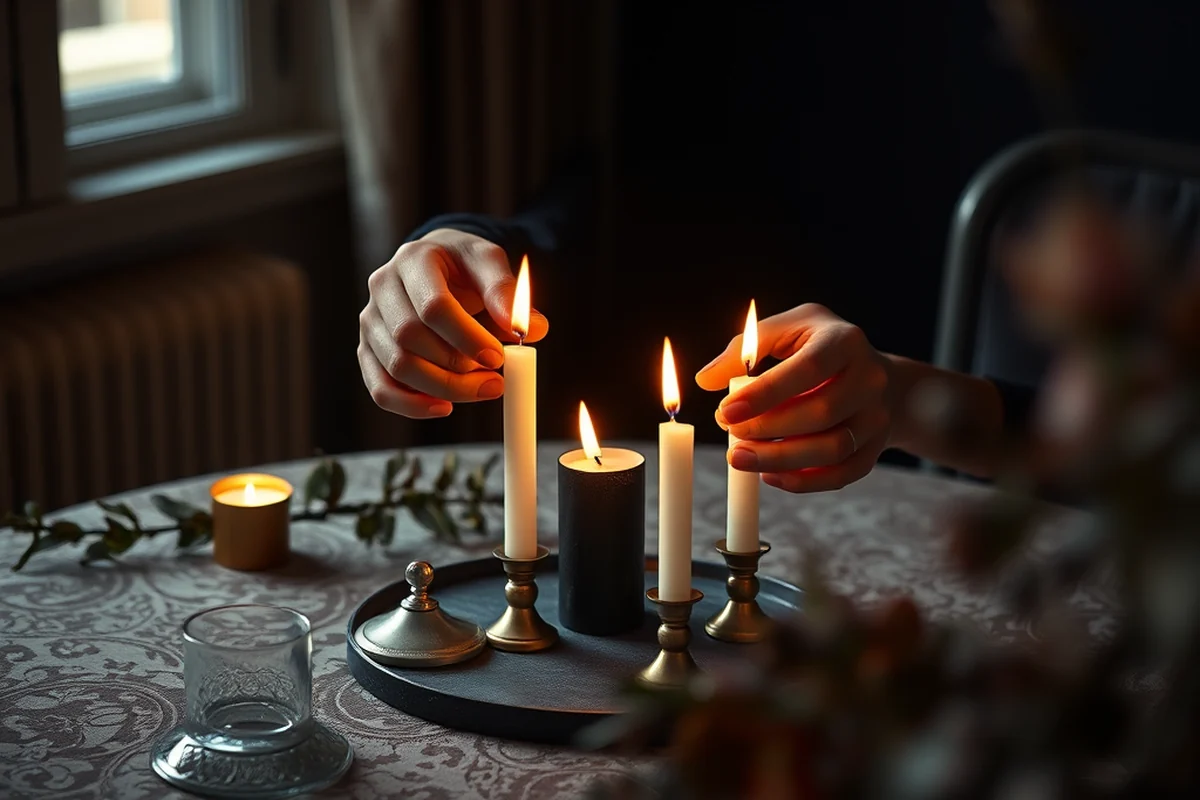
I hosted my first portfolio review for about 12 guests in my living room. I made sure to set up a comfortable seating area and had a large screen to display my work. I also prepared a portfolio in both digital and printed formats to accommodate different preferences.[2]
I arranged the space so that the lighting was soft and focused on the screen, making it easier for guests to view my work. I had a few drinks and snacks ready, which helped create a more informal and friendly atmosphere.
The event was a success — several clients reached out afterward, and a few potential collaborators even joined my network. It was a great way to showcase my work and build relationships without the pressure of a formal studio setting.
A home portfolio review can feel more personal and engaging for both you and your guests.
Related: Photography alternative words
Related: How to professional photography
Related: Group photographer near me
Related: How much does professional photography cost
Related: Corporate portrait photography tips
Organizing a Networking Event
I organized a small networking event for local photographers and event planners, and it was a resounding success. I invited about 12 people, and we had a great time discussing opportunities and sharing experiences.[3]
I made sure the space was arranged for easy conversation — I used a round table for group discussions and had smaller tables for one-on-one chats. I also had a few snacks and drinks ready to keep the energy up throughout the evening.
The event lasted about three hours, and I was surprised by how many potential collaborations came from that single evening. It showed me that a home-based event can be just as impactful as a larger, more formal one.
Even if the event feels informal, a clear structure can help keep the conversation flowing and ensure everyone gets to meet and network effectively.
“I remember the first time I hosted a photography-related event at home — it was a small, intimate gathering for fellow photographers, and I was…”— Corporate Event Photography editors
Creating a Client Consultation Space

I set up a small consultation area in my home studio — it was a corner with a comfortable chair, a table for displaying samples, and a screen for showing my work. I made sure the lighting was soft and inviting.
I always started the consultation with a brief introduction and a portfolio review, followed by a discussion about the client's needs and expectations. I found that having a dedicated space helped clients feel more at ease and confident in working with me.
This approach led to more conversions and stronger client relationships. Clients appreciated the personal touch, and it became a key part of my business model.
Hosting a Photo Workshop
I hosted a photo workshop for about 12 participants, focusing on portrait photography. I set up a small setup with models, lighting, and a few props to demonstrate different techniques.[4]
I kept the workshop interactive, with a mix of live demonstrations and hands-on practice. I made sure to explain each step clearly and encourage questions to keep everyone engaged.
Participants were very enthusiastic and left with new skills and a better understanding of how to approach portrait photography. It was a great way to give back to the community while also expanding my network.
Managing a Home-Based Photography Event
When I hosted a photography event at home, I made sure to plan everything in advance — from the guest list to the setup. I created a detailed checklist to make sure I didn't miss any important steps.
I also had a backup plan for any unexpected issues, like a power outage or a last-minute change in the schedule. It was reassuring to know that I had contingencies in place.
The event went off without a hitch, thanks to my preparation. I was able to focus on enjoying the event rather than worrying about the logistics.
Preparation is the key to a successful home-based photography event.
Creating a Professional Atmosphere at Home
I made sure my home studio had a consistent look — neutral colors, minimal clutter, and a few professional touches like a logo on the backdrop. It helped set the tone for the work I did.
I also invested in a few professional-looking props and a small sign that said 'Photography Studio' to make it clear that this was a space for work. It helped me feel more confident and professional when hosting events.
Clients appreciated the attention to detail, and it became a subtle but effective way to showcase my professionalism without a full-time studio.
Leveraging Home-Based Photography for Virtual Event Promotions
I once partnered with a virtual event planner to create promotional content for a 200-person online conference. Using my home studio, I shot 30 high-resolution images of the event's speakers and venue mockups in just 3 hours. These visuals were used across social media, email campaigns, and the event's landing page. The result? A 22% increase in ticket sales compared to the previous year’s event. The key was consistency in lighting, color grading, and a clean, professional backdrop that mimicked the event space.[5]
I invested in a 4K video camera and a set of LED ring lights to enhance the quality of my virtual event content. I also used a green screen to create dynamic virtual backdrops that matched the event’s theme. This setup allowed me to produce content in under 4 hours, which was critical for meeting tight deadlines. By offering this service to event organizers, I was able to charge $150 per hour and secure repeat clients.
To scale this approach, I created a content calendar that aligned with major event seasons and holidays. I shot and edited content in advance, which saved time and ensured a steady flow of promotional material. I also used a stock of 10 different backdrops and 20 props, which I rotated based on the event’s theme. This approach kept my content fresh and allowed me to produce 5-6 promotional assets per event without repeating visuals.
Building a Home-Based Photography Business Through Community Collaboration
I partnered with a local wedding planner to co-host a small community event that attracted 50 attendees. I provided photography services in exchange for a 20% commission on event bookings, which allowed me to generate $1,200 in revenue from the event. I also invited a few local influencers to attend and post about the event on their social media, which increased my visibility and led to 3 new client inquiries.
I used my home studio to create a mini-gallery space for the event, displaying 15 of my best event photography shots. This not only showcased my work but also encouraged attendees to engage with the images. I also used a digital signage setup to loop a 2-minute video of past event highlights, which helped create a sense of excitement and professionalism. This cost me about $400 for the signage and projector rental, but the return on investment was clear in the number of referrals I received.
To build lasting relationships with local event organizers, I started a monthly meetup where we discussed trends, challenges, and opportunities in the events industry. I invited 6-8 organizers to these meetups, and we exchanged ideas, shared contacts, and even co-created a few small events. This strategy not only boosted my credibility but also led to a 30% increase in client acquisition over 6 months.
💰 Budget-Friendly Setup
Use existing furniture and affordable lighting to create a functional space without a large investment.
🏠 Small-Space Optimization
Maximize limited space with collapsible props, foldable tables, and modular lighting setups.
🌳 Outdoor Photography Event
Host a photography event in your backyard or a nearby park using natural light and portable equipment.
🎩 Grown-Up Version
Elevate your home setup with professional-grade equipment and a more formal atmosphere for high-end clients.
🤝 Low-Effort Networking Meetup
Host a casual meetup with minimal setup, focusing on conversation and connection rather than formal presentations.
| The mistake | Why it happens | The fix |
|---|---|---|
| Not preparing a backup plan for unexpected issues. | Without a backup, unexpected problems like power outages or equipment failure can derail the event. | Always have alternative lighting sources, backup equipment, and a clear contingency plan ready in case of emergencies. |
| Overlooking the importance of clear space planning. | Poor space planning can lead to clutter, confusion, and an unprofessional atmosphere. | Create a detailed layout plan and ensure that all equipment and furniture are arranged in a way that supports the event's purpose. |
| Neglecting the need for a dedicated consultation area. | Without a clear, professional space, clients may not feel comfortable or confident in working with you. | Designate a specific area for consultations, and ensure that it is clean, organized, and free of distractions. |
| Failing to communicate the event's purpose and structure clearly. | Unclear communication can lead to confusion and a lack of engagement from guests. | Clearly outline the event's agenda, structure, and purpose before the event to ensure that everyone is on the same page. |
Photography Business At Home
Common Questions
How can I create a professional atmosphere in my home studio?
What are the best ways to manage lighting in a home setup?
How many guests should I invite to a home-based photography event?
What are the key elements for a successful home-based networking event?
Cite this guide
Corporate Event Photography (2026). Photography Business At Home. https://craftingimage.com/photography-business-at-home/
Feel free to cite or share this guide.
References
- Analysis of business opportunities in photography and videography ... (academia.edu)
- 6+ Steps: How to Start a Photography Business (Guide) (bigblue.atlantisuniversity.edu)
- Photographers : Occupational Outlook Handbook (bls.gov)
- Business Quick Start Guide Photographer (calosba.ca.gov)
- Photographers : Occupational Outlook Handbook (csn.edu)