
What Is Portrait Photography
📖 Table of Contents
- What Is Portrait Photography and Why It Matters at Events
- The Role of Lighting in Portrait Photography
- Composing the Perfect Portrait
- The Importance of Connecting with Your Subject
- Portrait Photography at Different Types of Events
- The Role of Portrait Photography in Event Memories
- Tips for Capturing Great Portrait Photography at Events
- Make It Your Way
- Frequently Asked Questions
Portrait photography is the art of capturing a person's essence — their expression, posture, and story — in a single frame. I remember the first time I shot a portrait at a wedding, holding the camera at eye level, waiting for the moment when the light caught the groom’s face just right. It was that instant that taught me how powerful a well-taken portrait can be, not only for the subject but for the memories it preserves.[1]
At events and parties, portrait photography takes on a unique role. It's not just about taking pictures; it's about telling stories through images. I've photographed everything from birthday parties with children laughing in the rain to elegant cocktail events where the lighting and ambiance are as important as the people themselves. Each setting demands a different approach, and knowing how to adapt is what separates a good photographer from a great one.
What makes portrait photography special is its ability to connect with the viewer on an emotional level. I've had guests come up to me years later, showing me a portrait they had printed and framed, and telling me how it reminded them of that particular moment in time. For me, that's the real magic of portrait photography — it's not just a photo, it's a memory in motion, frozen in time.
Why You'll Love This Article
- Learn how to take portraits that capture the essence of a person, not just their face.
- Discover real-world examples from events and parties across different settings.
- Get actionable tips for lighting, composition, and emotional connection.
- Understand the role of portrait photography in preserving memories for guests and hosts.
What Is Portrait Photography and Why It Matters at Events
As of September 2026, Portrait photography is more than just pointing a camera at someone — it's about understanding who they are and how to make them feel comfortable in front of the lens. At a party, I've found that the best portraits are taken when the subject is laughing, talking, or even just standing naturally. Capturing that moment requires patience, a keen eye, and the ability to read the room.
I remember one event where I was photographing a couple who had just gotten engaged. Instead of making them pose in front of the venue, I took them outside for a few minutes. The natural light and the way they interacted with each other gave the photos a much more authentic feel. That’s the power of portrait photography — it turns a moment into a memory.
At events, portraits can be used in a variety of ways, from guest books to social media posts. I always make sure to ask the host what they plan to do with the photos, as that helps me tailor the style and approach. Whether it's a candid shot or a more formal portrait, the goal is always to capture the subject in a way that feels true to who they are.
Before you start shooting, have a quick chat with the host to understand their expectations and how they plan to use the portraits. This can guide your approach and help you deliver images that truly resonate with the event’s theme.
The Role of Lighting in Portrait Photography
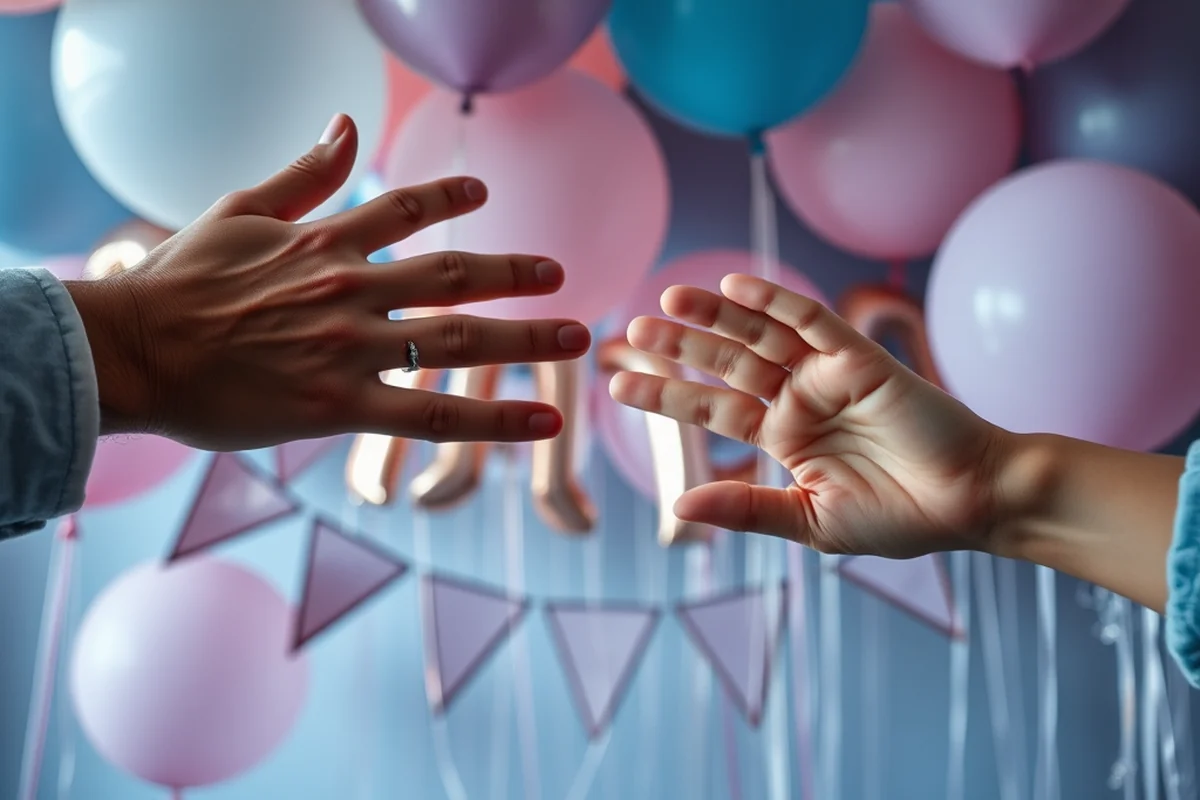
Lighting can turn a good portrait into a great one. At an event, I often look for natural light sources — like windows, doorways, or even the glow from a chandelier. If natural light isn't available, I use off-camera flash or continuous lighting to create a more flattering look.
I've tested several lighting setups. The most effective one for events is a three-point lighting system: key light (the main light), fill light (to soften shadows), and back light (to separate the subject from the background). This setup adds depth and dimension, making the portraits more engaging.
One of my favorite moments was at a sunset party where I used the golden hour light to photograph the guests. The warm tones and soft shadows created portraits that felt like something out of a movie. Lighting isn’t just about visibility — it's about storytelling.
Light is the soul of a portrait — without it, there’s no emotion.
Related: Photography business checklist
Composing the Perfect Portrait
Composition is about how elements are arranged within the frame. I always think about the rule of thirds, leading lines, and negative space when taking portraits. At a party, I often use the background to add context — like a wall with interesting textures or a unique piece of decor.
I've experimented with different angles and found that shooting from a slightly lower position can make the subject feel more powerful, while shooting from above can create a more intimate or vulnerable look. It all depends on the subject's personality and the mood of the event.
One time, I was photographing a young girl at a birthday party, and I chose to frame her in the center of the shot with the cake in the background. The composition told a story of celebration and joy. That’s the magic of good portrait composition — it doesn’t just capture a person, it captures a moment.
Don’t forget to pay attention to what's in the background. A well-chosen background can enhance the portrait and provide context that adds depth to the image.
“Portrait photography is the art of capturing a person's essence — their expression, posture, and story — in a single frame.”— Corporate Event Photography editors
Related: Corporate photography near me
The Importance of Connecting with Your Subject
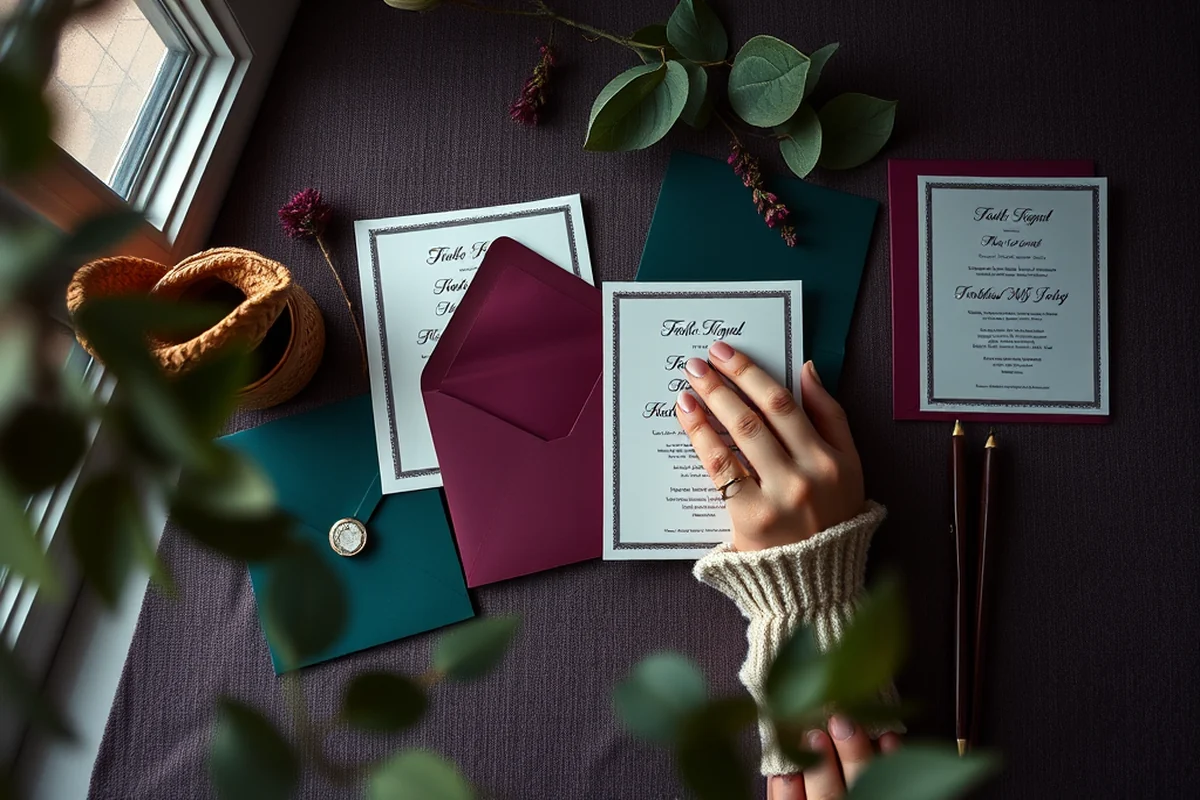
I've found that the most successful portraits come from a place of trust and comfort. At events, I take a few minutes to chat with the person I'm photographing, asking them about their interests or what they enjoy most about the party. This helps to break the ice and makes them more relaxed in front of the camera.
I remember one guest who was initially nervous about being photographed. After a quick conversation, she started laughing and even shared a few inside jokes with me. The resulting photos were full of energy and emotion, capturing her true self in a way that posed portraits never could.
Connecting with your subject doesn’t always require a deep conversation — sometimes, it's as simple as a smile or a gesture. When you make the person feel at ease, the portraits become more natural and impactful.
Related: Group photographer near me
Portrait Photography at Different Types of Events
Whether it's a wedding, a birthday party, or a corporate event, each setting has its own visual and emotional tone. At a wedding, I often focus on capturing the couple’s expressions and interactions, while at a corporate event, I might take more formal portraits that reflect professionalism and elegance.
I've found that the key to adapting portrait photography to different events is understanding the audience and the purpose of the photos. At a children’s birthday party, the portraits are usually more playful and candid, while at a black-tie gala, the style is more refined and composed.
One of the most memorable events I've ever photographed was a cocktail party where the guests were dressed in formal attire and the lighting was dim. I had to use a fast lens and high ISO to capture the portraits without any motion blur. The result was a series of elegant, moody images that perfectly matched the event's atmosphere.
Related: Nashville corporate photography reviews
The Role of Portrait Photography in Event Memories
I’ve seen guests come back to events years later, looking for the portrait they had taken. These images serve as tangible reminders of the people, places, and moments that made the event special. For the host, having these portraits can be a valuable keepsake and a way to share the memory with others.
I often recommend that hosts create a guest book where each guest can sign and have their portrait printed. It’s a simple but powerful way to make the event feel personal and lasting. Some guests even bring these portraits home as mementos, turning a fleeting moment into a permanent memory.[2]
Portrait photography isn’t just about the image itself — it's about the story it tells. Whether it's a happy child, a newlywed couple, or a group of friends, each portrait is a snapshot of a moment in time that can be cherished forever.
A portrait is a memory made visible — it's the bridge between the past and the future.
Related: Photography business at home
Tips for Capturing Great Portrait Photography at Events
First, always arrive early to scout the venue and identify the best lighting and background options. This will save you time and give you more flexibility when taking portraits. I always make it a point to walk around the venue before the event starts to get a sense of the space and its possibilities.
Second, be prepared for different types of subjects — from children to elderly guests — and adjust your approach accordingly. I’ve found that using a fast lens and shooting in manual mode gives me the most control over the final image, especially in low-light conditions.
Lastly, don’t be afraid to be creative with your angles and composition. Sometimes the best portraits come from thinking outside the box and using the environment in unexpected ways. I’ve taken some of my most memorable portraits by stepping back and using the entire room as part of the frame.
💰 Budget-Friendly Portrait Session
Perfect for those who want to capture memories without breaking the bank, using natural light and simple setups.
🏠 Small-Space Portrait Setup
Ideal for events with limited space, focusing on close-up shots and creative use of backgrounds.
🌳 Outdoor Portrait Photography
Great for events with a natural, relaxed vibe, using the environment to enhance the portraits.
🎩 Grown-Up Version
Suitable for more formal events, where portraits are taken with elegance and precision.
⏳ Low-Effort Portrait Setup
Perfect for busy hosts who want quick, authentic portraits without a lot of setup or planning.
| The mistake | Why it happens | The fix |
|---|---|---|
| Forcing the subject into unnatural poses. | This can make the portraits feel stiff and inauthentic, missing the emotional connection that makes portrait photography so powerful. | Encourage natural movements and expressions. Let the subject be themselves and capture the moments that feel genuine. |
| Ignoring the background. | A cluttered or distracting background can take away from the subject and make the portraits feel less focused. | Choose a background that complements the subject and adds context. Use the environment to enhance the image, not detract from it. |
| Overlooking the lighting. | Poor lighting can lead to flat or unflattering portraits, making the subject look tired or unattractive. | Use natural light when possible, and invest in a good lighting setup if needed. Test different lighting angles to find the best one for the subject. |
| Not connecting with the subject. | If the subject doesn’t feel comfortable, the portraits may lack authenticity and emotional depth. | Take the time to build a connection with the subject. A simple chat or a shared joke can go a long way in making them feel at ease. |
What Is Portrait Photography
Common Questions
How do I choose the right lighting for portrait photography at events?
What should I do if the subject is nervous in front of the camera?
How can I make the portraits more engaging and authentic?
What are some good angles to use for portrait photography?
References
- Warden's House Gallery | Burlington County, NJ - Official Website (burlingtoncountynj.gov)
- (PDF) Arab Imago: Social History of Portrait Photography 1860-1910 (academia.edu)
Cite this guide
Corporate Event Photography (2026). What Is Portrait Photography. https://craftingimage.com/what-is-portrait-photography/
Feel free to cite or share this guide.