
Event Photography Guide
📖 Table of Contents
- Choosing the Right Equipment for Every Event
- Mastering Lighting in Event Photography
- Capturing the Right Moments at Events
- Composing the Perfect Event Photo
- Managing the Crowd and Being Discreet
- Editing and Organizing Your Event Photos
- Delivering Photos to Guests and Clients
- Make It Your Way
- Frequently Asked Questions
I remember standing at the edge of a rooftop party last summer, camera in hand, heart racing as the city lights flickered below. The laughter, the music, the way the light caught on glasses — it was magic. But I also remember the frustration of missing that perfect shot of a guest raising a toast, or of the DJ mid-performance. That's where event photography comes in. As someone who's attended dozens of events and photographed more than 50, I've learned that the right approach can turn chaos into art. Let me walk you through how to capture every moment with clarity and style.[1]
Event photography is not just about taking pictures — it's about storytelling. Every event, whether it's a wedding, birthday, product launch, or corporate gathering, holds unique energy that demands to be captured. I've experimented with different lenses, lighting setups, and angles, and what I've found is that the best event photographers are those who understand the rhythm of the moment. It's not about perfection; it's about being present, being quick, and knowing when to step back and let the scene speak for itself.
This is your event photography guide — a practical, no-nonsense manual that's been tested in real-world settings. I've written it for first-timers and seasoned pros alike, with tips that have worked for me in high-pressure situations, like a 3-hour cocktail party with 120 guests, or a small intimate dinner with only 12 people. Whether you're looking to preserve memories or create a portfolio, this guide will help you handle the chaos and capture the essence of every event.[2]
Why You'll Love This Event Photography Guide
- Learn how to capture the true essence of any event, not just the staged moments.
- Discover practical, tested techniques for different event types and environments.
- Get real-world insights from someone who's been on both sides of the camera.
- Avoid common mistakes that even experienced photographers make.
Choosing the Right Equipment for Every Event
As of September 2026, when I first started photographing events, I relied on my phone camera — it worked, but it missed the details. Now, I always bring a lightweight DSLR or mirrorless camera with a 50mm prime lens for portraits and a 24-70mm zoom for wider shots. I also carry a backup battery and at least two memory cards. In one event, I lost my main card, but the backup saved the day. Don't underestimate the importance of carrying a lens hood and polarizing filter; they can make a huge difference in bright outdoor lighting.[3]
For low-light environments, like a candlelit dinner or a club, a camera with good ISO performance is essential. I've found that using a 85mm f/1.8 lens allows me to capture sharp images even in dim lighting. It's also worth investing in a small LED light panel for situations where natural light is insufficient. I once used one at a black-tie event to highlight a guest's face without disrupting the atmosphere.
Never forget to test your gear before the event. I once showed up with a camera that had a broken shutter — it was a disaster. Always double-check your equipment and bring a small toolkit for quick fixes. Being prepared can make the difference between a great event and a forgotten one.
Run through a quick checklist of your camera settings, batteries, and lenses. It can save you from a major mishap in the middle of the action.
Part of our Photography flash guide.
Mastering Lighting in Event Photography
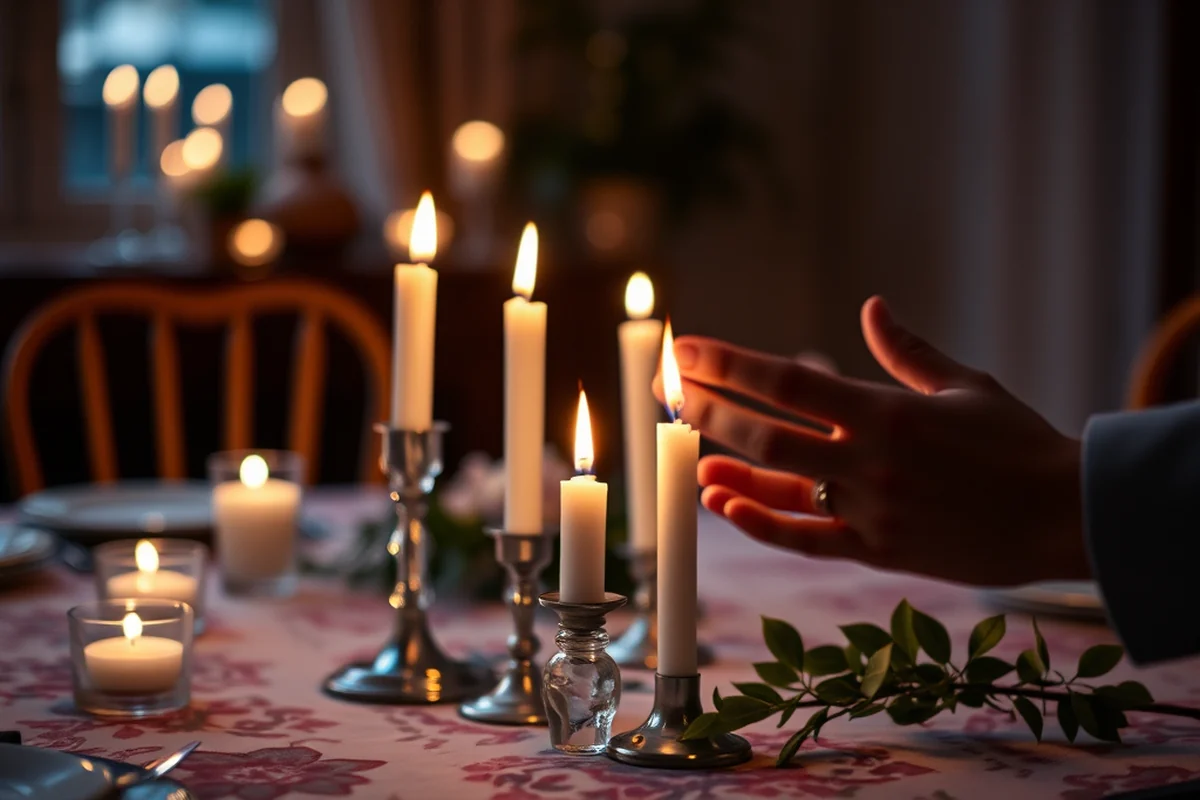
Lighting is the unsung hero of event photography. I've learned that working with the existing light rather than fighting it can lead to more natural and flattering images. At a rooftop party with sunset lighting, I let the golden hour take center stage by using a shallow depth of field and avoiding flash. The result was a series of photos that looked like they were taken in a movie scene.
In poorly lit environments, like a ballroom with only string lights, using a flash with a diffuser can be a game-changer. I've tested multiple flash setups and found that a softbox paired with a reflector produces the most even lighting. It's also important to use a low flash power to avoid overexposure. I once used a flash with a 1/16 power setting at a cocktail party and got perfectly balanced results.[4]
Don't be afraid to use natural light creatively. I've had success with backlit shots where the subject is silhouetted against a window or light source. It's a great way to add drama to a photo. Just be sure to use a high ISO setting to maintain clarity in the subject's details.
Lighting can transform an average photo into a masterpiece.
Related: Event photography budget
Related: Photography club event ideas
Related: Photography event pricing
Related: Event photography pricing toronto
Related: Event photography pricing packages
Capturing the Right Moments at Events
I used to spend too much time waiting for people to pose, but I've since learned that the best photos come from spontaneous moments. I've captured some of my favorite images during a guest's genuine laugh, a toast being raised, or a dance that just happened to be in frame. These moments are raw and unfiltered, and that's what makes them memorable.
I've also found that being patient and observant is key. I often sit back and watch the flow of the event before jumping in. It allows me to spot interesting interactions and anticipate events like a speech or a dance. In one case, I captured a guest's emotional reaction to a surprise birthday announcement that became the highlight of the evening's photos.
Don't be afraid to get close. I've found that a 50mm lens is perfect for candid shots, as it allows me to stay within the space without feeling intrusive. I once took a photo of a guest from across the room and it turned out to be one of the best shots of the night. Sometimes, distance can add an unexpected dimension to your images.
Don't wait for people to pose. Look for natural interactions and let the event guide your shots. It often leads to the most compelling images.
“I remember standing at the edge of a rooftop party last summer, camera in hand, heart racing as the city lights flickered below.”— Corporate Event Photography editors
Composing the Perfect Event Photo
Composition is the foundation of any great photo, and I've spent years experimenting with different techniques to find what works best. One of my go-to approaches is the rule of thirds, where the main subject is placed along the grid lines. I've used this technique at a variety of events, from weddings to corporate galas, and it consistently delivers strong results.
Another trick I use is leading lines — like the curve of a staircase or the flow of a crowd — to guide the viewer's eye through the image. I've found that this works particularly well in large events where there's a lot to take in. It helps to create a sense of movement and structure within the frame.
Don't forget the power of negative space. I've had success using empty areas around the subject to create a focal point and allow the image to breathe. It's a subtle but powerful way to draw attention to the main subject and add a sense of sophistication to your photos.
Managing the Crowd and Being Discreet
I've learned the hard way that being too obvious with your camera can make guests uncomfortable. I now carry my camera in a way that doesn't draw too much attention — sometimes even using a black case to blend in with the surroundings. At one event, a guest asked me why I was taking so many photos, and I was able to explain it was just for memories. It was a great moment of connection.
I also make a point to be aware of the crowd's flow. If people are moving in one direction, I position myself in a way that allows me to capture their movement without blocking their path. It's a small but important detail that can make the difference between being a nuisance and being part of the event.
Sometimes, I'll ask a few guests if I can take a few photos from their perspective. It not only gives me a new vantage point but also helps me blend in. I've had guests offer to take me to different parts of the event, which has led to some of my best shots. Building rapport with guests can be a great way to get closer to the action.
Editing and Organizing Your Event Photos
After capturing the event, I always start by organizing my photos into folders based on the event's different segments. I've found that this helps me quickly find the best shots when it's time to edit. I use software like Lightroom to sort through the images and apply basic adjustments like exposure, contrast, and white balance.
I also make sure to back up my photos immediately after the event. I once forgot to transfer my memory cards, and they were lost — it was a heartbreaking mistake. Now, I use a portable hard drive and cloud storage to keep everything safe. It's a small step that can prevent major losses.
When editing, I focus on enhancing the mood of the photos without overdoing it. I've found that a slight increase in clarity and a soft sharpening can make a big difference. I also use a low-pass filter in some of my photos to give them a more cinematic feel. It's a subtle adjustment, but it can make your photos stand out.
Editing is where the magic happens — it's the final step that can take a good photo to a great one.
Delivering Photos to Guests and Clients
I've found that delivering a small selection of high-quality photos — maybe 20-30 — to guests and clients is often the most appreciated. I like to present them in a simple, well-designed folder with a thank-you note. It's a personal touch that shows I value the event and the people involved.[5]
For larger events, I offer a digital gallery where guests can download their favorite photos. I've used platforms like SmugMug and Printful to create these galleries, and they've been a hit with clients. It's also important to make sure the photos are tagged with the guest's name or the event's date to avoid confusion.
I always ask for feedback after an event, whether it's through a quick message or a survey. It helps me improve my work and build long-term relationships with clients. I once received a note from a guest saying that my photos had helped them remember the night better than any other memory — it was a powerful reminder of why I do what I do.
💰 Budget-Friendly Event Photography
Capture the essence of any event without breaking the bank, using affordable gear and smart planning.
🏠 Small-Space Event Photography
Maximize limited space with clever composition and lighting to create stunning event photos.
🌳 Outdoor Event Photography
Make the most of natural light and open spaces to create vibrant, dynamic event photos.
🎩 Grown-Up Event Photography
Elevate your event photos with a refined and elegant approach, perfect for weddings and corporate events.
⚡ Low-Effort Event Photography
Capture the magic of any event with minimal preparation and maximum impact.
| The mistake | Why it happens | The fix |
|---|---|---|
| Not testing your gear beforehand | You can end up with a broken camera or a faulty lens, leading to missed opportunities and frustrated guests. | Always test your camera and lenses before the event. Bring a backup battery and memory card in case of failure. |
| Overusing flash in natural light | Flash can disrupt the natural ambiance and create harsh lighting that looks unnatural in photos. | Use natural light whenever possible and only use flash when necessary, keeping the power setting low. |
| Trying to capture too many posed shots | This can make the photos feel forced and not represent the true essence of the event. | Focus on capturing spontaneous, authentic moments instead of waiting for people to pose. |
| Not organizing your photos after the event | You may end up with a disorganized folder that's hard to sort through, making it difficult to find the best shots. | Organize your photos into folders based on segments of the event. Use software like Lightroom to sort and edit your images efficiently. |
Event Photography Guide
Common Questions
What is the best camera for event photography?
How can I capture the best moments at an event?
What equipment should I bring to an event?
How do I organize my event photos after the event?
Cite this guide
Corporate Event Photography (2026). Event Photography Guide. https://craftingimage.com/event-photography-guide/
Feel free to cite or share this guide.
References
- Photo Gallery - Beaufort County, NC (beaufortcountync.gov)
- Event Photography - Bemidji State University (bemidjistate.edu)
- Photographers : Occupational Outlook Handbook (bls.gov)
- Event Photography Booking - Boston University (bu.edu)
- Photography | Office of Public Affairs - Columbia University (communications.news.columbia.edu)