
What Is Event Photography
📖 Table of Contents
- What Is Event Photography and Why It Matters
- The Role of a Professional Event Photographer
- The Difference Between Event Photography and Regular Photography
- The Equipment and Techniques Used in Event Photography
- The Importance of a Photographer’s Experience and Style
- How to Choose the Right Event Photographer
- How Event Photography Enhances the Overall Experience
- Make It Your Way
- Frequently Asked Questions
I remember the first time I attended a corporate event and noticed how every moment, every laugh, every handshake, was captured in a photo. That’s when I realized the power of event photography — it’s not just about taking pictures, but about telling a story that lasts long after the event is over. Event photography is the art of preserving the essence of a gathering, whether it's a wedding, a product launch, or a birthday party. It’s about freezing time, but doing it in a way that feels alive and authentic.[1]
I’ve walked through ballrooms and backyards, from high-end galas to casual meetups. What I’ve learned is that event photography is more than just a service — it's a crucial part of the experience. A good photographer can make a chaotic moment look elegant, and a quiet moment feel powerful. When I first started, I didn’t understand why people paid so much for a photographer. After seeing how their work transformed a dull party into a vibrant memory, I knew it was worth every penny.[2]
Event photography is about understanding the rhythm of a party, the flow of a conversation, and the energy of a room. It’s not just about capturing the obvious — like the cake cutting or the speeches — it’s about the little things: the way someone’s eyes light up when they see a friend, the way a child runs across the dance floor, or the way the sunlight filters through the curtains. That’s the heart of event photography — it's about making sure every story, no matter how small, is told.[3]
Why You'll Love This Article
- Understand the core purpose of event photography and how it enhances memories.
- Discover the role of a professional photographer in different types of events.
- Learn the subtle techniques that make event photography stand out from regular photography.
- Get insider tips on how to choose the right photographer for your next event.
What Is Event Photography and Why It Matters
As of September 2026, at its core, event photography is about storytelling. Unlike portraits or landscapes, which focus on a single subject or scene, event photography is dynamic, emotional, and ever-changing. It requires a photographer to be both a witness and a participant, moving through the event with the same energy as the guests. I once shot a tech conference where the main stage was only a small part of the experience — the real magic happened in the breakout sessions, the networking corners. The late-night coffee runs. That's where the real stories are.[4]
The importance of event photography lies in its ability to document not just the grand moments, but the everyday ones. Whether it's the first dance at a wedding or the closing keynote of a conference, a good event photographer knows that it's the little details — the way the light hits someone's face, the way people lean in during a conversation — that make the images truly memorable. I've had clients tell me that even after years, they still look back at their event photos and remember exactly how they felt that day.[5]
Event photography isn't just for the big events. It works for any gathering where memories are being made. I've shot everything from family reunions to corporate retreats, and in every case, the value of the photos was clear. They’re more than just images — they’re a way to relive the experience, share it with friends, and keep the energy of the event alive long after the last guest has left.
The most powerful event photos are the ones that feel natural and unposed. Let the guests be themselves, and watch how the images take on a life of their own.
The Role of a Professional Event Photographer
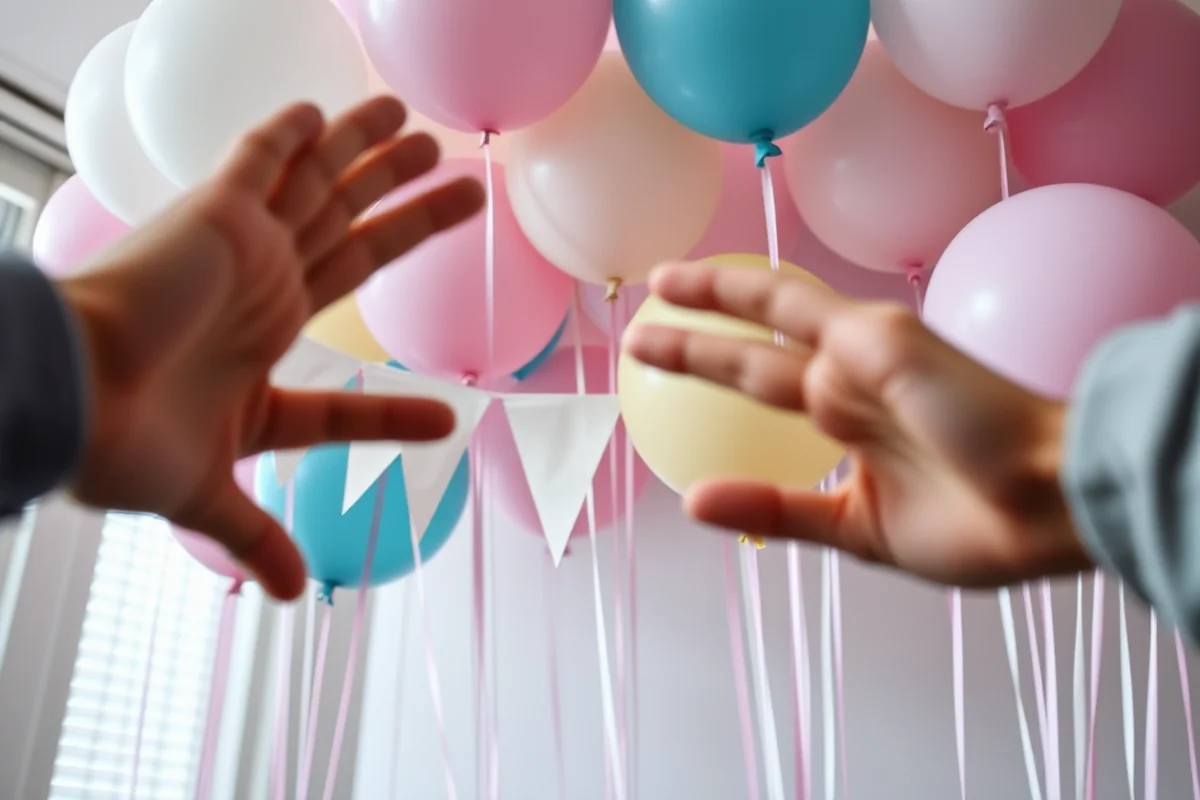
Professional event photographers are not just there to take pictures — they're there to understand the flow of the event and anticipate what's going to happen next. I’ve been to events where the photographer seemed to be everywhere at once, capturing the key moments without being intrusive. That’s the mark of a great professional — someone who can blend into the background while still getting the best shots.
What makes a professional stand out is their ability to adapt to different environments. Whether it's a dimly lit cocktail reception or a brightly lit outdoor festival, they know how to adjust their equipment and techniques on the fly. I once shot a wedding in a converted warehouse. The lighting was a nightmare — but the photographer used natural light and strategic positioning to create beautiful, dynamic images that looked nothing like the harsh environment.
Professional photographers also understand the importance of timing. They know when to move in for a close-up, when to step back for a wide shot, and when to wait for the right moment. I’ve seen photographers capture the exact second a guest turns to laugh at a joke, and that moment becomes one of the most cherished images from the event.
A great event photographer is both a director and a witness — they know when to step in and when to let the moment happen.
Related: Best event photography iduvai
Related: Event photography atlanta
Related: Event photography companies
Related: Event photography vs portrait photography
The Difference Between Event Photography and Regular Photography
Regular photography often involves controlled environments — like a studio or a portrait session — where the subject is posed and the lighting is set. Event photography, on the other hand, is all about spontaneity. It's about catching the moment before it passes, whether it's a toast, a dance, or a quiet conversation in a corner.
I've had clients who tried to take their own photos at events, and while the images were good, they missed the emotional depth that a professional can capture. That's because event photography isn't just about the technical aspects — it's about storytelling. It's about understanding the energy of the room and knowing when to capture the moment.
Another key difference is that event photography is often done in a short window of time. A professional event photographer might have only a few hours to capture an entire event, and that means they have to be efficient and focused. I've shot events where the photographer had less than two hours to capture everything, and yet the photos were still stunning — that's the result of experience and preparation.
Event photography is all about being prepared for the unexpected. Keep your camera ready and your eyes open — the best moments often come when you least expect them.
“I remember the first time I attended a corporate event and noticed how every moment, every laugh, every handshake, was captured in a photo.”— Corporate Event Photography editors
Related: Event photo checklist
The Equipment and Techniques Used in Event Photography
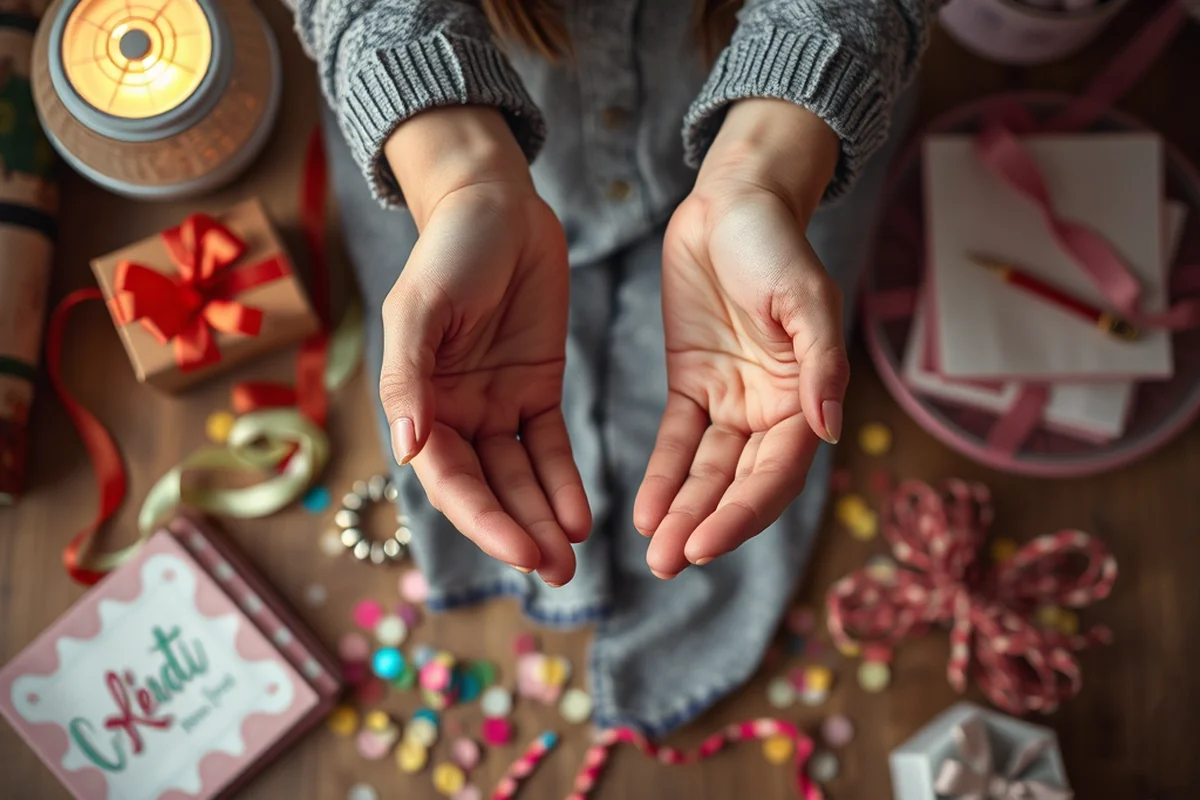
The equipment used in event photography can vary depending on the type of event and the lighting conditions. I’ve seen photographers use everything from high-end DSLRs to compact mirrorless cameras — the key is to have the right tools for the job. For low-light environments, like a dimly lit cocktail party, a photographer might use a camera with high ISO capabilities to capture clear images without using a flash.
Techniques also vary based on the event. In a fast-paced environment, like a festival or a concert, photographers might use a faster shutter speed to capture movement. In a more formal setting, like a wedding reception, they might use a lower shutter speed to create a sense of motion in the images. I’ve shot events where the photographer used a combination of wide-angle and telephoto lenses to capture both the grandeur of the venue and the intimacy of the interactions.
Another technique used in event photography is the use of off-camera lighting. Instead of relying on the built-in flash, many photographers use external lights to create a more natural look. This is especially important in events where the lighting is poor, and the goal is to capture the atmosphere without harsh shadows.
The Importance of a Photographer’s Experience and Style
Experience is one of the most important factors in event photography. A seasoned photographer knows how to navigate a crowded room, anticipate key moments, and adjust to changing conditions. I’ve had the chance to work with photographers who were able to capture the mood of an event in a way that felt like a movie — that's the result of years of experience and practice.
Style is also an important consideration. Some photographers have a more artistic, candid style, while others prefer a more formal, posed approach. I’ve worked with photographers who specialize in capturing the raw emotion of an event. The resulting photos have a unique energy and authenticity that can’t be replicated by someone who’s just starting out.
A photographer’s style also affects how the photos are received by the guests. I’ve seen clients who preferred a more candid, documentary-style approach, while others wanted a more polished, high-end look. The best photographers are able to adapt their style to match the vibe of the event, ensuring that the photos align with the client’s vision.
How to Choose the Right Event Photographer
Choosing the right event photographer is one of the most important decisions you can make for your event. I’ve been on both sides of this — as a client choosing a photographer and as a photographer being chosen for an event. The key is to find someone who not only has the technical skills but also the ability to connect with the event and its guests.
One of the first things I look for when choosing a photographer is their portfolio. I want to see a range of events they’ve worked on, from weddings to corporate functions, and I want to see how they handle different lighting and environments. A good photographer will have a diverse portfolio that shows their ability to adapt to different situations.
Another important factor is communication. A great event photographer will be able to understand your vision for the event and will be open to suggestions. I’ve worked with photographers who took the time to ask about the event’s goals and the client’s expectations, and that made a huge difference in the final results.
The best photographers don’t just take pictures — they understand your event and capture it in a way that feels true to your vision.
How Event Photography Enhances the Overall Experience
One of the biggest benefits of event photography is that it allows guests to relive the experience long after the event is over. I’ve had clients who tell me that looking back at their event photos brings back the exact emotions they felt that day — the excitement, the joy, the connection. That’s the power of good photography — it doesn’t just capture images, it captures feelings.
For the hosts, event photography is a way to measure the success of the event. A well-shot event can show not just the grand moments, but the small ones that make the event unique. I’ve seen clients use their event photos to create a lasting memory for their guests, whether it’s a thank-you email with images or a physical album that everyone can take home.
Beyond the immediate impact, event photography also helps with marketing and branding. For events like product launches or conferences, the photos can be used in promotional materials, press releases, and social media. A great photographer can capture images that not only look good but also convey the message and energy of the event.
💰 Budget-Friendly Event Photography
For those on a tight budget, there are still ways to capture beautiful event photos without breaking the bank.
🏠 Small-Space Event Photography
Capturing the essence of an event in a small space requires a different approach, focusing on angles and lighting.
🌳 Outdoor Event Photography
Outdoor events bring their own challenges, but also their own unique beauty that can be captured with the right techniques.
🍷 Grown-Up Version of Event Photography
For more mature events, the focus is on elegance, composition, and capturing the subtleties of the experience.
📸 Low-Effort Event Photography
Some events require minimal disruption, and event photographers can capture the moment without being too intrusive.
| The mistake | Why it happens | The fix |
|---|---|---|
| Choosing a photographer based solely on price. | While budget is important, choosing a photographer based only on price can lead to poor quality and missed opportunities for great photos. | Look for a balance between price and quality, and consider the photographer’s experience and portfolio. |
| Not communicating your vision clearly. | A photographer who doesn’t understand your vision might miss key moments or not capture the event in the way you want. | Discuss your goals and preferences with the photographer before the event to ensure they understand what you're looking for. |
| Assuming the photographer will handle everything. | Even the best photographers can't capture every moment if they're not given the proper access and support. | Make sure the photographer has access to the entire event and is allowed to move freely through the space. |
| Neglecting to review the photos after the event. | Reviewing the photos is an important step in ensuring that the event was captured well and that any issues are addressed in time. | Take the time to review the photos with the photographer and ask for any edits or adjustments if needed. |
What Is Event Photography
Common Questions
What should I look for in an event photographer?
How long does an event photographer typically stay at an event?
Can I request specific types of photos from the event photographer?
What if I don’t have a lot of time to choose a photographer?
References
- Photo Gallery - Beaufort County, NC (beaufortcountync.gov)
- Photographers : Occupational Outlook Handbook (bls.gov)
- Towns Visual Media | Brentwood, MD - Official Website (brentwoodmd.gov)
- How to Be a Photographer - Columbia College Chicago (colum.edu)
- Photography | Office of Public Affairs - Columbia University (communications.news.columbia.edu)
Cite this guide
Corporate Event Photography (2026). What Is Event Photography. https://craftingimage.com/what-is-event-photography/
Feel free to cite or share this guide.