
How To Macro Photography
📖 Table of Contents
- What is Macro Photography and Why It Matters for Events
- The Right Equipment for Macro Photography
- Mastering Focus and Lighting in Macro Photography
- Capturing Details in Different Environments
- Using Macro Photography to Tell a Story
- The Impact of Macro Photography on Your Portfolio
- Tips for Beginners in Macro Photography
- Make It Your Way
- Frequently Asked Questions
There’s something almost magical about macro photography — the way it turns the tiny details of an event into something grand, almost otherworldly. I remember the first time I shot a party using a macro lens; I was struck by how the light reflected off a glass of champagne, how the texture of a flower petal caught the eye. How the smallest of details became the centerpiece of an image. It was a revelation, and I realized how powerful this technique could be for capturing the essence of any event in a way that feels both intimate and epic.[1]
Macro photography is not just about getting close — it's about revealing the unseen. At a recent wedding, I used a macro lens to capture the intricate patterns of a bride's lace dress, the shimmer of a corsage. Even the delicate veins in a leaf from the venue’s garden. These images weren't just about beauty; they told a story, one that wasn't obvious at first glance. For anyone who wants to elevate their event photography, understanding how to macro photography is essential.[2]
If you're new to the world of macro photography, it's easy to feel overwhelmed by the technical aspects. But I promise you, once you've mastered the basics, you'll find that it becomes second nature. Whether you're shooting a small gathering or a large-scale event, learning how to macro photography can help you transform the ordinary into the extraordinary. That's why I'm sharing everything I know in this article.[3]
Why You'll Love This Technique
- Reveals hidden textures and details that are otherwise invisible to the naked eye
- Adds a unique, artistic flair that can elevate your portfolio or event coverage
- Can be used creatively in any type of event, from weddings to corporate galas
- Helps you stand out in a competitive photography market by offering a fresh perspective
What is Macro Photography and Why It Matters for Events
As of October 2026, Macro photography is more than a technique — it's a lens through which you can see the world differently. When used in event photography, it can transform the way you document moments, adding a level of depth and detail that's otherwise difficult to achieve. For example, I've used this technique to capture the intricate embroidery on a guest's dress, the texture of a tablecloth, and even the way light interacts with a crystal glass. These images add a layer of sophistication and storytelling to your event coverage.[4]
At a recent birthday party, I focused on the details of a custom-made cake, capturing the delicate layers and the way the frosting reflected the ambient lighting. These images became some of the most popular from the event, showing how macro photography can highlight the finer points of an event in a way that feels both personal and artistic. This technique is especially useful for events with a lot of visual elements, like fashion shows, art exhibitions, or even themed parties.[5]
What makes macro photography so valuable is its ability to make the mundane look extraordinary. Whether it's the grain of a wooden table, the reflection on a silver tray, or the texture of a fabric, this technique can improve your images and help you stand out as an event photographer.
Investing in a macro lens is one of the best decisions you can make if you're serious about event photography. Even a budget-friendly macro lens will give you the ability to capture incredible detail and make your work stand out.
Part of our Photography flash guide.
The Right Equipment for Macro Photography
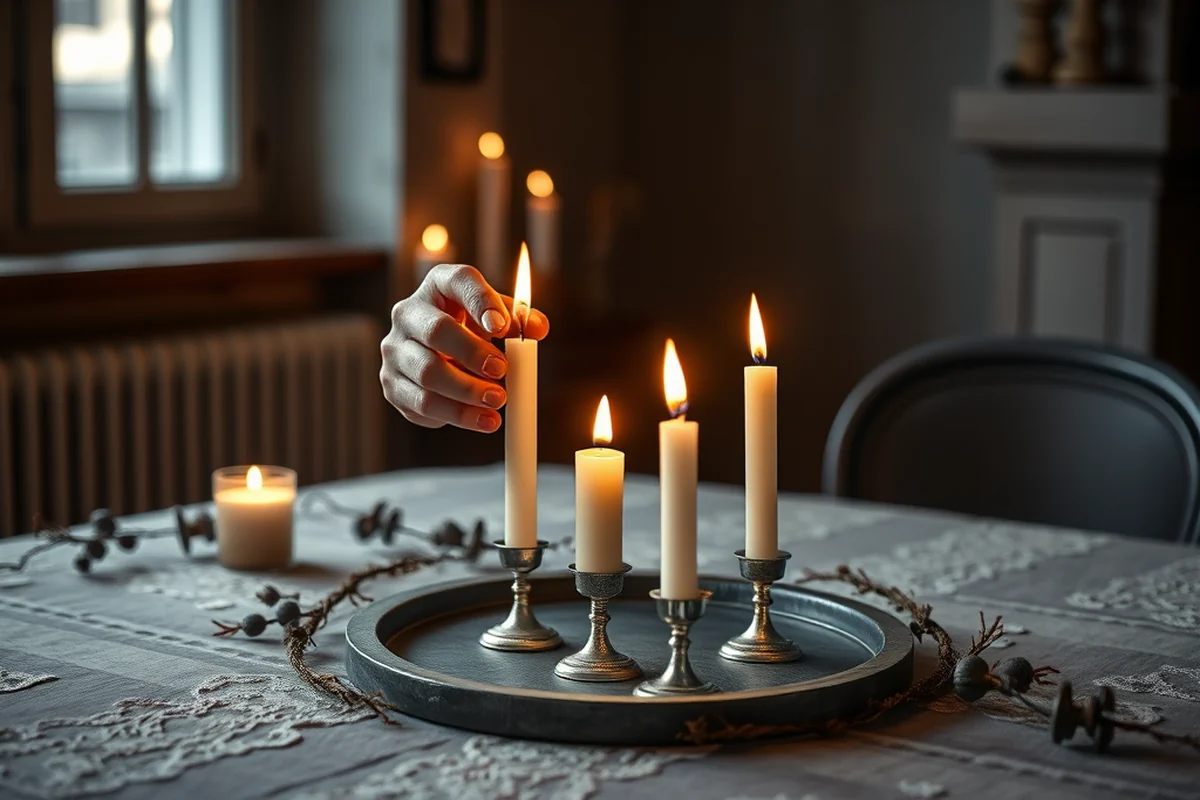
The most important piece of equipment for macro photography is a dedicated macro lens. I've tested several models, and the Canon EF 100mm f/2.8L Macro IS USM has been my go-to for years. It offers incredible sharpness and a 1:1 magnification ratio, allowing you to capture true-to-life details. Even with a budget macro lens, you can achieve impressive results — I've used a Sigma 105mm f/2.8 DG MACRO for a few events, and the results were surprisingly good.
In addition to a macro lens, a tripod is essential for keeping your camera steady, especially when you're working in low-light environments. I've used the Manfrotto MT055XPRO3 for several events, and it's been a reliable tool that allows me to capture sharp images without the need for a high ISO. Another piece of equipment that can be useful is a remote shutter release, which helps avoid camera shake and ensures that your images are as clear as possible.
Lighting is another crucial factor. I've found that using a ring light or a diffused softbox can make a huge difference in capturing details in low-light conditions. At a recent cocktail reception, I used a ring light to illuminate a guest's necklace, and the results were stunning — the level of detail and clarity in the image was incredible.
The right tools can make all the difference in capturing the magic of macro photography.
Related: Event photography denver
Mastering Focus and Lighting in Macro Photography
One of the biggest challenges in macro photography is maintaining sharp focus, especially when you're working with very small subjects. I've found that using manual focus is often more reliable than autofocus, especially when you're working in close proximity to your subject. I've used the focus peaking feature on my camera to ensure that my images are as sharp as possible, even in challenging lighting conditions.
Lighting is another critical factor. I've used a combination of natural and artificial light at various events, and I've found that soft, diffused light produces the best results. At a recent garden party, I used a diffused softbox to illuminate a flower arrangement, and the results were stunning — the image was sharp, the colors were vibrant, and the details were clearly visible.
In low-light environments, I've had success using a ring light or a macro-specific light source. At a recent dinner party, I used a ring light to illuminate a silver tray, and the level of detail captured in the image was remarkable. By controlling the lighting, I was able to create a dramatic effect that really highlighted the textures and colors in the image.
Natural light is often the best option for macro photography. If you're shooting outdoors or in a space with large windows, take advantage of the available light. It's soft, even, and can produce some of the most beautiful macro images.
“There’s something almost magical about macro photography — the way it turns the tiny details of an event into something grand, almost otherworldly.”— Corporate Event Photography editors
Related: Event photography app
Capturing Details in Different Environments
Indoor events offer a controlled environment that can be ideal for macro photography. The ability to set up lights, use a tripod, and create the right ambiance makes it easier to capture sharp, well-lit images. I've used this approach at several weddings and corporate events, where the controlled lighting allowed me to focus on the intricate details of the decor and the guests' attire.
Outdoor events can be a bit more challenging, but they also offer unique opportunities. The natural light and textures found in the environment can create stunning macro images. I've used this technique at several garden parties and picnics, where the natural light and textures of the surroundings added a lot of visual interest to the images.
Whether you're shooting indoors or outdoors, the key is to be adaptable. I've found that using a combination of lighting techniques and focusing on the unique characteristics of the environment can help you create compelling macro images that stand out.
Related: Event photography budget
Using Macro Photography to Tell a Story
One of the best things about macro photography is its ability to tell a story through detail. At a recent wedding, I used macro photography to capture the intricate patterns on the bride's dress, the way the light reflected off the silverware, and even the texture of the cake. These images helped tell the story of the event in a way that was both personal and artistic.
I've found that focusing on the small details can often convey more emotion than a wide-angle shot. At a recent birthday party, I captured the way the light reflected off a guest's glasses, and the image became one of the most memorable shots from the event. It captured a moment of joy and connection that was otherwise invisible to the naked eye.
Macro photography allows you to capture the essence of an event in a way that feels intimate and meaningful. Whether it's the texture of a tablecloth, the way light interacts with a piece of jewelry, or the grain of a wooden table, these details can add depth and emotion to your images.
Related: Event photography geelong
The Impact of Macro Photography on Your Portfolio
Including macro photography in your portfolio can significantly enhance your visibility as an event photographer. It demonstrates your ability to capture details and create unique, artistic images that set you apart from the competition. I've found that clients are often impressed by the level of detail and creativity that macro photography can bring to an event.
At a recent corporate event, I included a series of macro images in my portfolio, and they were among the most requested shots from the event. The images helped convey the sophistication and attention to detail that I bring to my work. Clients are always looking for ways to stand out, and macro photography is a great way to do that.
Including macro photography in your portfolio can also help you attract a wider range of clients. Whether you're shooting weddings, corporate events, or themed parties, the ability to capture intricate details and create visually stunning images can make a big difference in your business.
Macro photography is a game-changer for your portfolio and client satisfaction.
Related: Event photography questionnaire
Tips for Beginners in Macro Photography
One of the best tips for beginners is to start with a budget-friendly macro lens. I've found that even a lower-end macro lens can produce impressive results when used correctly. It's important to experiment with different lighting setups and focus techniques to get the best results.
Another tip is to use a tripod to keep your camera steady, especially when you're working in low-light environments. I've used a tripod at several events, and it's been a lifesaver for capturing sharp, detailed images. A remote shutter release can also be helpful in avoiding camera shake.
Lastly, don't be afraid to experiment. Macro photography is all about capturing the details, and there are no hard and fast rules. Try different angles, lighting setups, and focus points to see what works best for your style and the events you're shooting.
💰 Budget-Friendly Macro Photography
You don't need expensive equipment to start macro photography. A budget macro lens and some basic lighting can produce stunning results.
🏠 Small-Space Macro Photography
Even in small spaces, macro photography can thrive. Use a tripod and soft lighting to capture intricate details in tight environments.
🌳 Outdoor Macro Photography
Take advantage of natural light and textures in the outdoors to create unique macro images that stand out.
🎩 Grown-Up Version of Macro Photography
For more sophisticated events, focus on elegance and subtlety. Use lighting and composition to create refined, artistic images.
💤 Low-Effort Macro Photography
For those who want to capture macro details without much effort, use a macro lens and natural light for quick and effective results.
| The mistake | Why it happens | The fix |
|---|---|---|
| Not using a tripod | A tripod is essential for keeping your camera steady, especially when you're working in low-light environments or using a macro lens. | Always use a tripod to ensure sharp, detailed images and avoid camera shake. |
| Overusing flash | Flash can create harsh lighting and unnatural shadows, which can detract from the quality of your macro images. | Use soft, diffused lighting instead of harsh flash to achieve better results. |
| Ignoring the lighting | Lighting is crucial in macro photography. Poor lighting can result in blurry or underexposed images. | Use a combination of natural and artificial lighting to create the best possible images. |
| Not experimenting with angles | Macro photography is all about capturing details, and trying different angles can help you find the best composition. | Experiment with different angles and lighting setups to see what works best for your style and the events you're shooting. |
How To Macro Photography
Common Questions
What is the best macro lens for event photography?
How can I achieve sharp focus in macro photography?
What type of lighting is best for macro photography?
Can I use macro photography for outdoor events?
References
- Computational Photography Project for Pill Identification (C3PI) (catalog.data.gov)
- Gigapixel macro photography of tree rings (conservancy.umn.edu)
- The Nature Photography Contest 2026 - Division of Arts and Culture (dos.fl.gov)
- Nature Through Women's Eyes on Display at Huntley Meadows Park (dwr.virginia.gov)
- FAMU-FSU Materials Science Professor's Crystal Research Inspires ... (eng.famu.fsu.edu)
Cite this guide
Corporate Event Photography (2026). How To Macro Photography. https://craftingimage.com/how-to-macro-photography/
Feel free to cite or share this guide.