
Formal Event Photography
📖 Table of Contents
- Understanding the Scope of Formal Event Photography
- Choosing the Right Equipment for Formal Events
- Mastering Composition and Lighting in Formal Event Photography
- Managing Guest Interaction and Expectations
- Capturing the Right Moments in Formal Event Photography
- Post-Production and Delivering the Final Images
- Staying Organized and Efficient at Formal Events
- Navigating Formal Event Etiquette and Cultural Sensitivity
- Make It Your Way
- Frequently Asked Questions
I still remember the first time I stepped into a formal event as a photographer — a black-tie gala in a grand ballroom, where every detail mattered and every guest was there for the same reason: to be seen. The lighting was low, the music subtle, and the pressure high. It was there I learned the art of formal event photography, where timing, composition, and the right lens can transform a fleeting moment into a lasting memory.
Formal event photography is more than just taking pictures; it's about capturing the essence of an occasion that demands elegance, precision, and respect. Whether it's a wedding, a corporate gala, or a diplomatic reception, the goal is the same: to create images that reflect the dignity and atmosphere of the event. Over the years, I've worked at events where the stakes were high, and the expectations even higher, which has taught me exactly what it takes to deliver quality work consistently.
One of the key things I've learned is that formal event photography is not a one-size-fits-all approach. Each event has its own rhythm, its own guests, and its own story. I've photographed events with over 500 guests, where the challenge was managing the crowd and still capturing individual moments, and smaller, more intimate gatherings where the focus was on the subtleties of emotion and decor. No matter the scale, the right tools, mindset, and technique can make all the difference.[1]
Why You'll Love This Guide to Formal Event Photography
- Learn to capture the essence of high-end events with precision and style.
- Discover the techniques used by professionals to create elegant, timeless images.
- Get practical advice for managing lighting, composition, and guest interaction.
- Understand the nuances of formal event photography that set it apart from casual shoots.
Understanding the Scope of Formal Event Photography
As of August 2026, at formal events, the focus is on capturing the right balance between group shots, individual portraits, and ambient atmosphere. It's about creating a visual narrative that reflects the event's theme, from the lighting to the attire of the guests.[2]
I've found that the success of a formal event photography session often hinges on preparation. That means scouting the location, understanding the event's timeline, and communicating clearly with the event organizers to ensure no moment is missed.
One of the most challenging aspects is managing the lighting — especially in venues where natural light is limited and artificial lighting is often dim. Investing in high-quality lenses and external flashes can make a world of difference in capturing clean, well-lit images.
Visit the venue beforehand to identify the best shooting spots and potential lighting challenges.
Part of our Lens event guide.
Choosing the Right Equipment for Formal Events
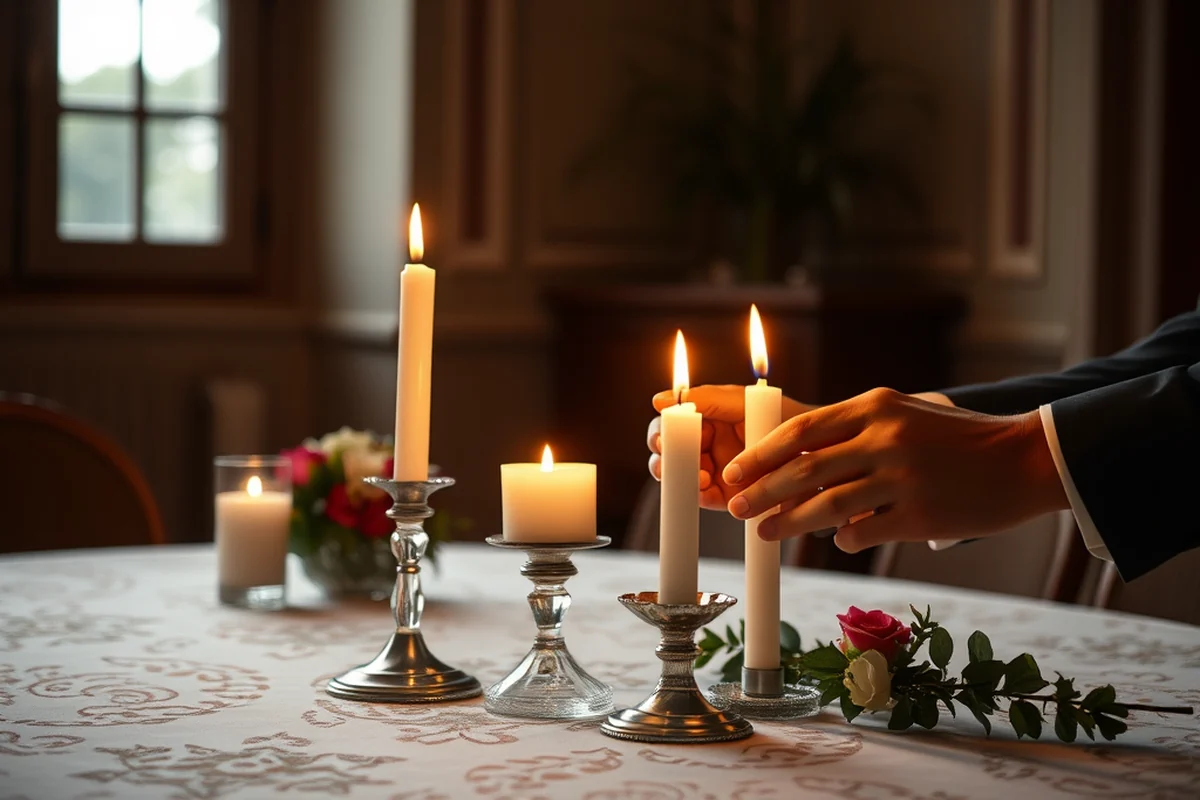
When I started, I used a standard camera body with a kit lens, but I quickly realized that it wasn't cutting it. Now, I always bring a high-end DSLR or mirrorless camera with a fast prime lens, like a 50mm f/1.2, for sharp, low-light performance.
Investing in a reliable external flash is also a game-changer. It allows you to control the lighting without relying on the venue's existing setup. I've found that using a flash with a diffuser can help soften the light and avoid harsh shadows.
Don't forget to pack extra batteries and memory cards — I've had events where I shot over 2,000 images in a single evening, and I can't afford to run out of power or storage.[3]
A great lens can make a world of difference in low-light formal events.
Related: Best lens for event photography
Related: Cheap event photography
Related: Event photography adelaide
Related: Event photography edmonton
Related: Event photography list
Mastering Composition and Lighting in Formal Event Photography
Formal events often have a lot of visual elements — from the decor to the attire of the guests. Learning to frame your shots to highlight these details is essential. A simple rule I follow is the 'rule of thirds,' which helps balance the image and draw the viewer's eye to the subject.
Lighting can be tricky in formal events, especially when the venue's lighting is inconsistent. I often use a combination of ambient and artificial light to create a soft, flattering glow on the subjects. It's also important to avoid overexposing the background, which can make the image look too bright and lose detail.
One technique I use frequently is the 'golden hour' shot, even in indoor events. By waiting for the right moment when the light is just right, I can create images that are both dramatic and elegant.
Take a few test shots in each area to understand how the light interacts with the surroundings.
“I still remember the first time I stepped into a formal event as a photographer — a black-tie gala in a grand ballroom, where every…”— Corporate Event Photography editors
Managing Guest Interaction and Expectations
At formal events, I often find myself in the background, capturing candid moments without interrupting the flow of the evening. It's important to be polite and professional, and to ask for permission when taking portraits of individual guests.
I've had events where guests were hesitant to be photographed, so I always carry a small sign that says, 'Photography by [Your Name]' to let them know I'm there. It also helps set expectations and makes people feel more comfortable.
Another tip is to be mindful of the event's timeline. I always arrive early, set up my equipment, and familiarize myself with the venue's layout to avoid wasting time during the event itself.
Capturing the Right Moments in Formal Event Photography
I've found that the most impactful images come from the moments that feel spontaneous — like a guest laughing with a friend or a couple sharing a quiet moment on the dance floor. These are the shots that tell the story of the event in a way that posed portraits can't.
To capture these moments, I often position myself near the main areas of the event, like the dance floor or the bar, where guests are more likely to interact naturally. I also use a fast shutter speed to freeze motion and avoid blurry images.
It's also important to document the event's key moments, like the speeches, toasts, and the first dance. These images become the highlights that guests will want to remember for years to come.
Post-Production and Delivering the Final Images
After the event, I usually spend several hours editing the images, making sure the colors are accurate, the lighting is balanced, and the details are sharp. I use software like Adobe Lightroom and Photoshop for this process.
One of the most important steps is to deliver the images in a format that's easy for the clients to use. I usually provide a gallery of images, along with high-resolution versions for printing or sharing online.
I also make sure to deliver the images within a reasonable timeframe, usually within a week of the event. This helps the clients have their memories ready in time for any follow-up events or social media posts.
Post-production is where the magic happens — it's the final step that brings your images to life.
Staying Organized and Efficient at Formal Events
I always bring a camera bag that's fully organized, with all my lenses, flashes, batteries, and memory cards easily accessible. This helps me save time and avoid any last-minute issues.
I also use a small notepad to keep track of important details, like the event's timeline, the location of key areas, and the names of the guests I've spoken to. This helps me stay on top of things and avoid missing any shots.
Finally, I make sure to back up my images regularly during the event to avoid losing any important shots. I use a portable hard drive and cloud storage for this purpose.
Navigating Formal Event Etiquette and Cultural Sensitivity
At a recent black-tie gala in London, I was asked to avoid photographing the guest of honor’s family during the dinner course — a local tradition. This taught me the importance of pre-event briefings with the client to understand cultural nuances. Researching the event’s origin, traditions, and guest demographics can prevent unintentional offenses. For instance, in some Asian cultures, it’s considered disrespectful to photograph certain family members during specific rituals. Allocating 30 minutes before the event to review any cultural guidelines provided by the client can make a significant difference in the professionalism of the shoot.[4]
When working with international guests, language barriers can complicate communication. I’ve found that using a visual checklist — such as a printed list of dos and don’ts — helps ensure that all photographers are on the same page. During a corporate event in Dubai, I used this method to ensure that no one photographed the emir’s family in a way that violated local customs. In that case, the client provided a detailed list of 15 rules, which we reviewed before the event. This proactive approach helped us avoid any cultural missteps and maintain a high level of respect among attendees.
Another practical step is to coordinate with the event planner or host to identify any restricted areas or times for photography. At a high-profile wedding in Italy, I was informed that the first dance was to be photographed only from the balcony — a tradition that had been in place for decades. By aligning with the event team, I was able to secure the right vantage point and deliver images that met the couple’s expectations while honoring their cultural background. This kind of collaboration not only enhances the quality of the work but also builds trust with the client and event organizers.
💰 Budget-Friendly Formal Event Photography
A no-frills approach to formal event photography that delivers quality without breaking the bank.
🏠 Small-Space Formal Event Photography
Tips and techniques for capturing elegance in compact venues like galleries or private lounges.
🌳 Outdoor Formal Event Photography
How to adapt formal photography techniques to natural settings like gardens, beaches, or terraces.
🎩 Grown-Up Version of Formal Event Photography
The refined, timeless approach to formal photography that appeals to mature, sophisticated audiences.
🪄 Low-Effort Formal Event Photography
A streamlined, easy-to-manage approach for those who want quality without the hassle.
| The mistake | Why it happens | The fix |
|---|---|---|
| Using the wrong lens for low-light settings | Using a low-quality or slow lens can result in blurry, underexposed images in low-light environments. | Invest in a fast prime lens like a 50mm f/1.2 for better performance in dim lighting. |
| Not communicating with the event organizers | Not knowing the event's timeline or layout can lead to missed shots and inefficient use of time. | Always communicate with the organizers to understand the event's details and schedule your shoot accordingly. |
| Overexposing the background in formal portraits | Overexposing the background can make your subject look washed out and lose detail in the image. | Use a flash with a diffuser to balance the lighting and avoid overexposing the background. |
| Failing to back up your images | Not backing up your images can result in losing important shots if your memory card or camera fails. | Always back up your images regularly using a portable hard drive and cloud storage. |
Formal Event Photography
Common Questions
What equipment is essential for formal event photography?
How do I manage lighting at formal events?
What should I do to capture the right moments at formal events?
How long does it usually take to edit and deliver formal event photos?
Cite this guide
Corporate Event Photography (2026). Formal Event Photography. https://craftingimage.com/formal-event-photography/
Feel free to cite or share this guide.
References
- Formal Analysis Questions: Photography | Princeton University Art ... (artmuseum.princeton.edu)
- Photography/Videography During Commencement Season (ateneo.edu)
- Event Photography - Bemidji State University (bemidjistate.edu)
- Tips for Selecting Great Images | Brand and Style Guidelines (brand.uark.edu)