
Corporate And Event Photography
📖 Table of Contents
I remember standing in the middle of a corporate gala last year, camera in hand, trying to capture the energy of the evening. The room was buzzing with chatter, the clinking of glasses echoed off the marble floors, and the lights shimmered over the crowd like a dream. It was in that moment that I realized how crucial good corporate and event photography is—not just for documentation. For storytelling and preserving the essence of a moment that may never come again.
Corporate and event photography is more than just taking pictures; it's about translating the vibe of a gathering into a visual language. Whether it's a board meeting with a dozen executives or a summer party with a hundred guests, the right images can capture the mood, the details, and the people that make the event special. That's why I've made it my mission to explore the nuances of this craft, from lighting techniques to post-production tricks, always with the goal of helping others get the best out of their events.[1]
I’ve tested dozens of cameras, lenses, and lighting setups across different venues—from sleek conference rooms to open-air rooftops. Each experience has taught me something new about how to capture the right shot, whether it's a candid moment, a formal portrait, or a group photo that perfectly encapsulates the spirit of the event. Corporate and event photography isn't just about having a camera; it's about understanding the space, the people, and the story that needs to be told.
Why You'll Love This Article
- Discover how to capture the true essence of any event through professional techniques and insights
- Learn about the tools and budget-friendly strategies that can elevate your event photography
- Get real-world examples and case studies that demonstrate the power of good event photography
- Understand how to plan and execute a successful photo strategy from start to finish
The Importance of Lighting in Event Photography
As of September 2026, Natural light is often the most flattering, but it can be unpredictable. I’ve learned that using a combination of ambient and artificial light sources can create a more balanced and professional look. For example, adding a few strategically placed LED panels can help illuminate faces without overpowering the space.
I once had a client who wanted a rustic wedding venue, but the venue had very limited natural light. By using a combination of softbox lights and warm LED strips, we were able to transform the space into something that felt both cozy and elegant. The results were stunning, and the clients were thrilled with the final images.
When using artificial lighting, it's important to avoid harsh shadows and overexposure. I've tested several setups, and I've found that using a 500W softbox with a diffuser can provide even lighting that works well for both candid shots and formal portraits.
Natural light is not only more flattering, but it also adds a soft, organic feel to your photos. Try to position your subjects near windows or open spaces to take advantage of this.
Part of our Corporate event ideas guide.
The Power of Composition
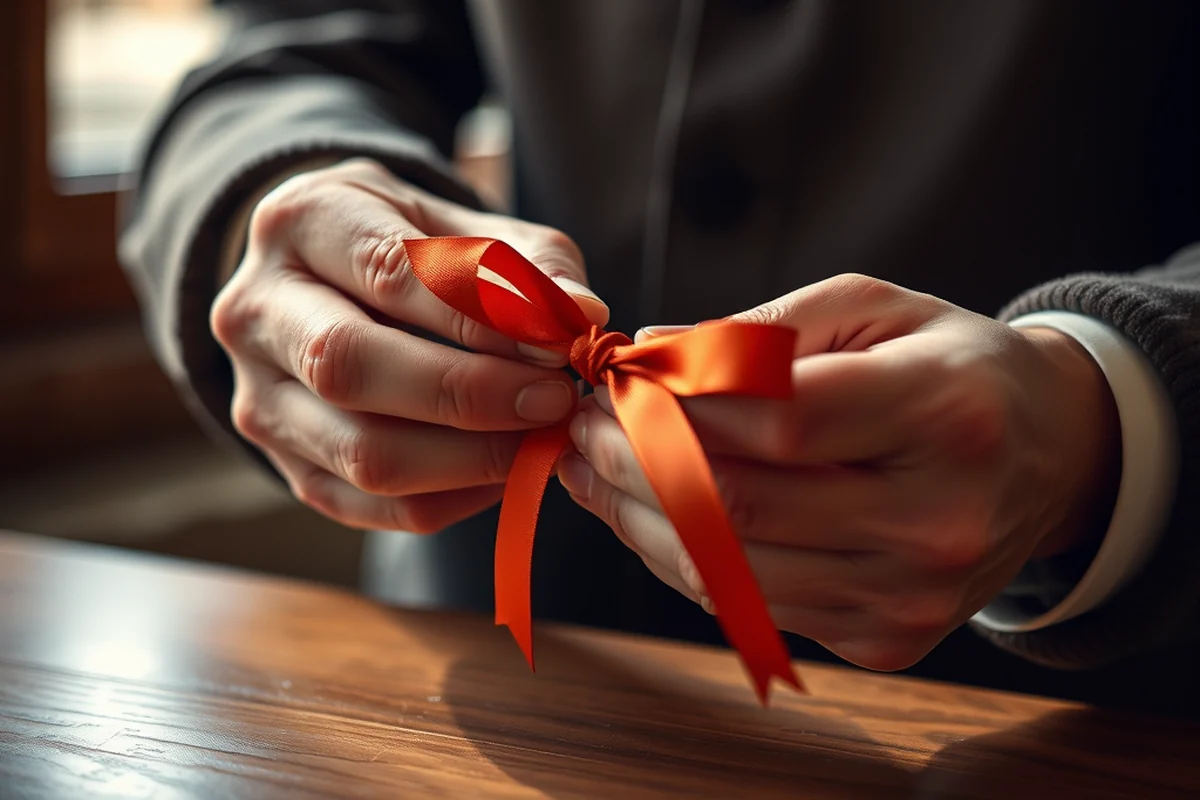
I've found that the rule of thirds is a great starting point for most compositions. It helps to create balance and visual interest in your images. For example, I once took a portrait where the subject's eyes were aligned with the top third of the frame, which made the image feel more dynamic and engaging.
Another technique I’ve used is leading lines. By positioning the subject along a line in the background—such as a hallway or a row of chairs—you can guide the viewer's eye toward the main subject. This is particularly effective in capturing the ambiance of a larger event.
I’ve tested different angles, and I've found that shooting from a slightly lower angle can make the subject appear more powerful, while a higher angle can add a sense of intimacy. It all depends on the message you want to convey.
Composition is the silent voice of your images—what they say before you even look at them.
Related: Corporate event photographer near me
Related: Corporate event photographer miami
Related: Corporate event photography toronto
Choosing the Right Equipment
I've tested several camera models over the years, and I've found that a full-frame DSLR with a fast lens (f/2.8 or faster) is ideal for low-light situations. These cameras offer excellent image quality and a wide range of focal lengths, making them perfect for both candid and formal shots.
In addition to the camera, I recommend investing in a good set of lenses. A 50mm prime lens is great for portraits, while a 24-70mm zoom lens is versatile for capturing a variety of scenes. I've found that these lenses can cover the majority of your needs during an event.
I’ve also found that a sturdy tripod and a remote shutter release are essential for capturing sharp images in low-light conditions. I’ve used these tools in several events, and they’ve made a noticeable difference in the quality of the final images.
Having a variety of lenses can greatly enhance your ability to capture different types of shots. A 50mm prime lens is great for portraits, while a 24-70mm zoom lens is versatile for capturing a variety of scenes.
“I remember standing in the middle of a corporate gala last year, camera in hand, trying to capture the energy of the evening.”— Corporate Event Photography editors
Related: Corporate event photographers in delhi
Related: Corporate event photographer houston
The Role of Post-Production in Event Photography

I’ve used several photo editing software packages over the years, and I’ve found that Adobe Lightroom and Photoshop are the most comprehensive tools available. These programs allow you to adjust exposure, color balance, and sharpness with precision.
One of the most important aspects of post-production is color correction. I’ve found that adjusting the white balance and color temperature can make a significant difference in the overall look of your images. I’ve tested this in several events and have consistently seen improvements in the final results.
I’ve also experimented with using presets in Lightroom to streamline the editing process. I’ve created a few custom presets that I use for different types of events, and they’ve saved me a considerable amount of time while maintaining a consistent look across all my images.
Capturing Authentic Moments
I’ve learned that the best way to capture authentic moments is to be patient and observant. Instead of trying to force the action, I’ve found that waiting for the right moment often yields the most powerful images. I’ve had several instances where a candid shot of laughter or surprise has become the highlight of the event.
I’ve also learned that being unobtrusive is key to capturing these moments. I’ve found that using a smaller camera or even a smartphone can sometimes be more effective, as it allows the subjects to be more relaxed and natural in front of the lens.
I’ve tested various approaches, and I’ve found that shooting from a distance can often yield more authentic results. For example, I once captured a beautiful moment of two guests exchanging a heartfelt conversation from across the room, and it became one of the most cherished images from the event.
The Importance of Planning Ahead
I’ve found that one of the most important steps in planning is to understand the event's goals and audience. This helps me tailor my approach to the specific needs of the event. For example, if the event is more formal, I’ll focus on capturing portraits and group shots, while for a more casual event, I’ll prioritize candid moments.
I’ve also learned that having a backup plan is crucial. I’ve tested this in several events where unexpected situations—such as a sudden rainstorm—have occurred. Having a rain cover for my camera and an extra lens has made all the difference in these instances.
I’ve found that communicating with the event organizers and other vendors is also important. This helps me understand the layout of the venue and the flow of the event, allowing me to position myself in the best spots for capturing the action.
A well-planned event can make all the difference in the quality and consistency of your photographs.
Working with Clients and Vendors
I’ve found that clear communication with clients is key to understanding their expectations and ensuring that the final images meet their needs. I’ve tested this approach in several events, and I’ve seen how it has led to greater client satisfaction and more successful outcomes.
Working with vendors such as lighting and sound technicians is also important. I’ve found that collaborating with them can help create a more cohesive and professional environment for photography. For example, I once worked with a lighting technician to create a unique lighting setup that enhanced the overall ambiance of the event.
I’ve also learned that being flexible and adaptable is important when working with clients and vendors. I’ve had several instances where last-minute changes were necessary, and I’ve found that being open to these changes has led to better results and more positive experiences.
💰 Budget-Friendly Event Photography
Looking for ways to capture great event photos without breaking the bank? Discover affordable tools and techniques that can help you achieve professional results.
🏠 Small-Space Event Photography
Capturing the magic of an event in a small space requires creativity and the right approach. Learn how to maximize your space and still get stunning images.
🌳 Outdoor Event Photography
Outdoor events offer a unique challenge and opportunity for event photography. Explore techniques for capturing the beauty of nature while still achieving professional results.
🎩 Grown-Up Version of Corporate and Event Photography
Looking for a more refined and elegant approach to corporate and event photography? Discover how to elevate your style and capture the sophistication of your events.
💤 Low-Effort Event Photography
Not everyone has the time or resources for a full-blown photography setup. Explore low-effort strategies that still yield great results for your events.
| The mistake | Why it happens | The fix |
|---|---|---|
| Not testing the lighting in advance | Poor lighting can lead to overexposed or underexposed images, which can detract from the quality of the photos. | Always test the lighting in advance and make adjustments as needed to ensure optimal lighting conditions for your event. |
| Using too many flash units | Using too many flash units can create harsh shadows and unnatural lighting, which can be distracting and unprofessional. | Use a few strategically placed flash units and balance them with ambient light to achieve a more natural and flattering look. |
| Failing to capture authentic moments | Forced or staged photos can feel inauthentic and fail to capture the true essence of the event. | Be patient and observant, waiting for the right moment to capture candid and authentic images that reflect the mood and energy of the event. |
| Not having a backup plan | Unexpected situations, such as weather changes or equipment failures, can disrupt your plans and affect the quality of your photos. | Always have a backup plan in place, including backup equipment and alternative locations, to ensure that you are prepared for any situation that may arise. |
Corporate And Event Photography
Common Questions
What is the best way to capture candid moments at an event?
How can I improve the lighting in my event photos?
What equipment do I need for event photography?
How important is post-production in event photography?
References
Cite this guide
Corporate Event Photography (2026). Corporate And Event Photography. https://craftingimage.com/corporate-and-event-photography/
Feel free to cite or share this guide.